
Last updated November 16, 2026
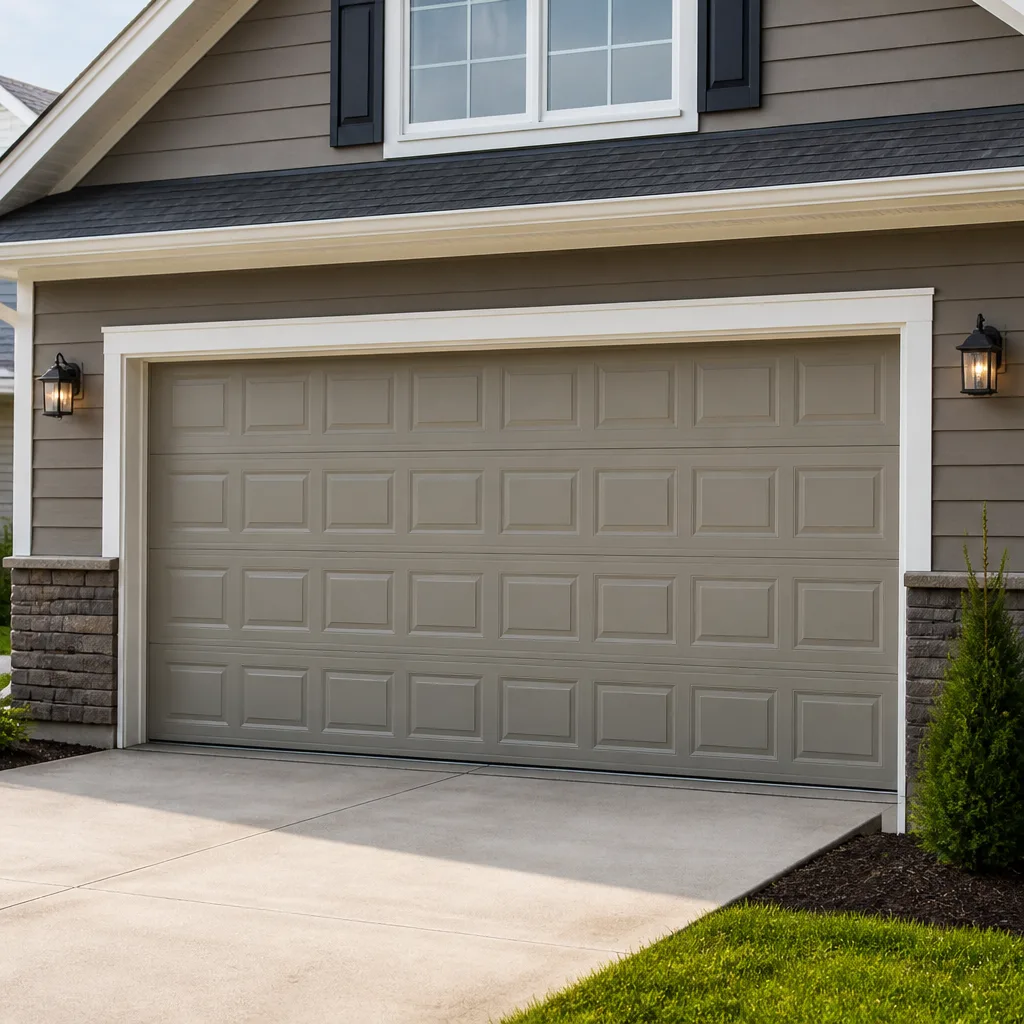 Raised-panel steel
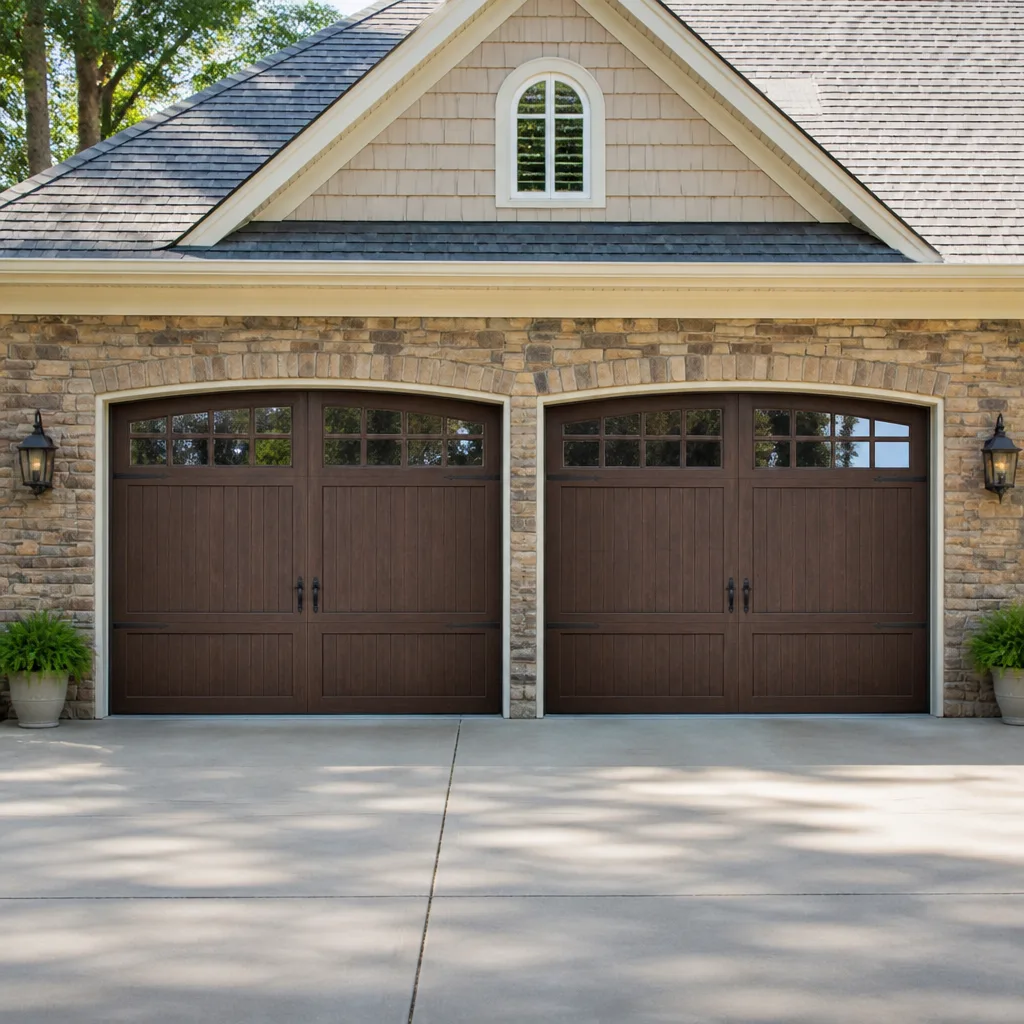 Carriage house
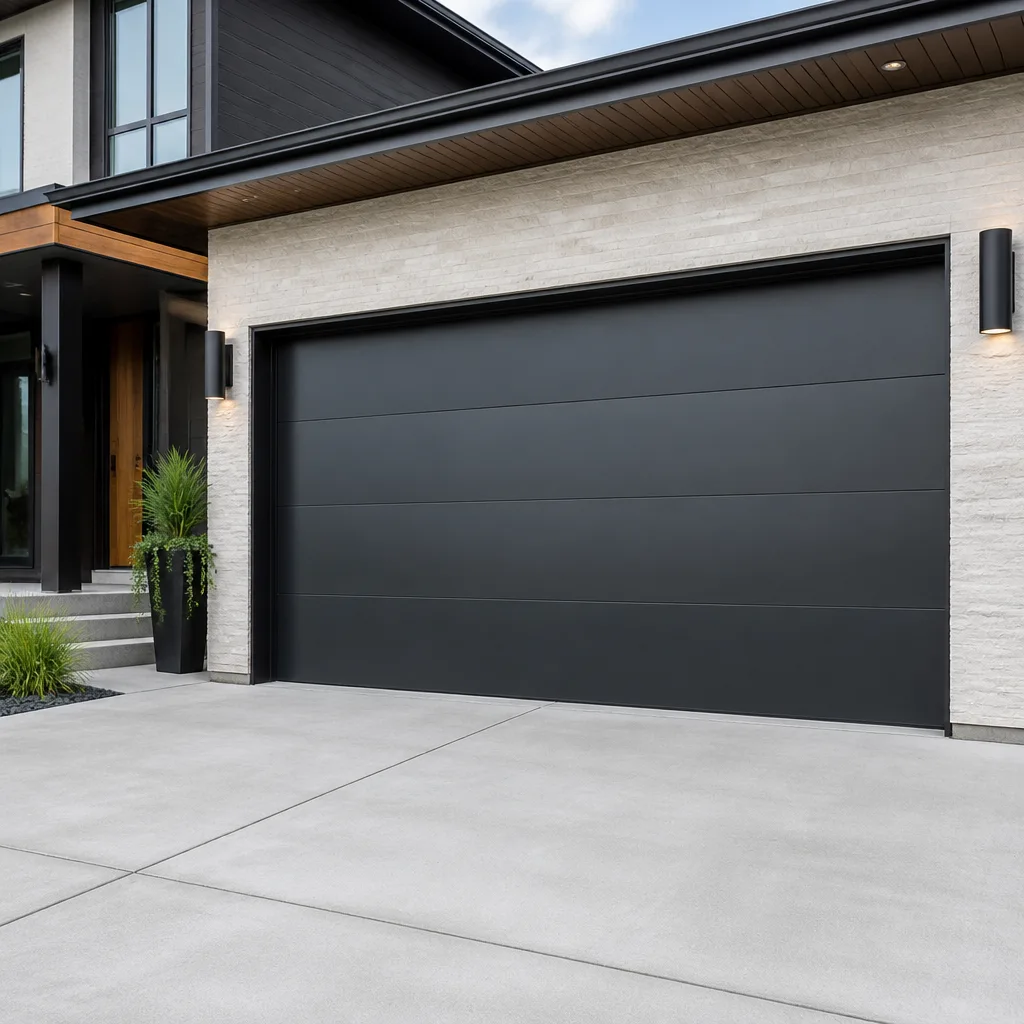 Modern flush
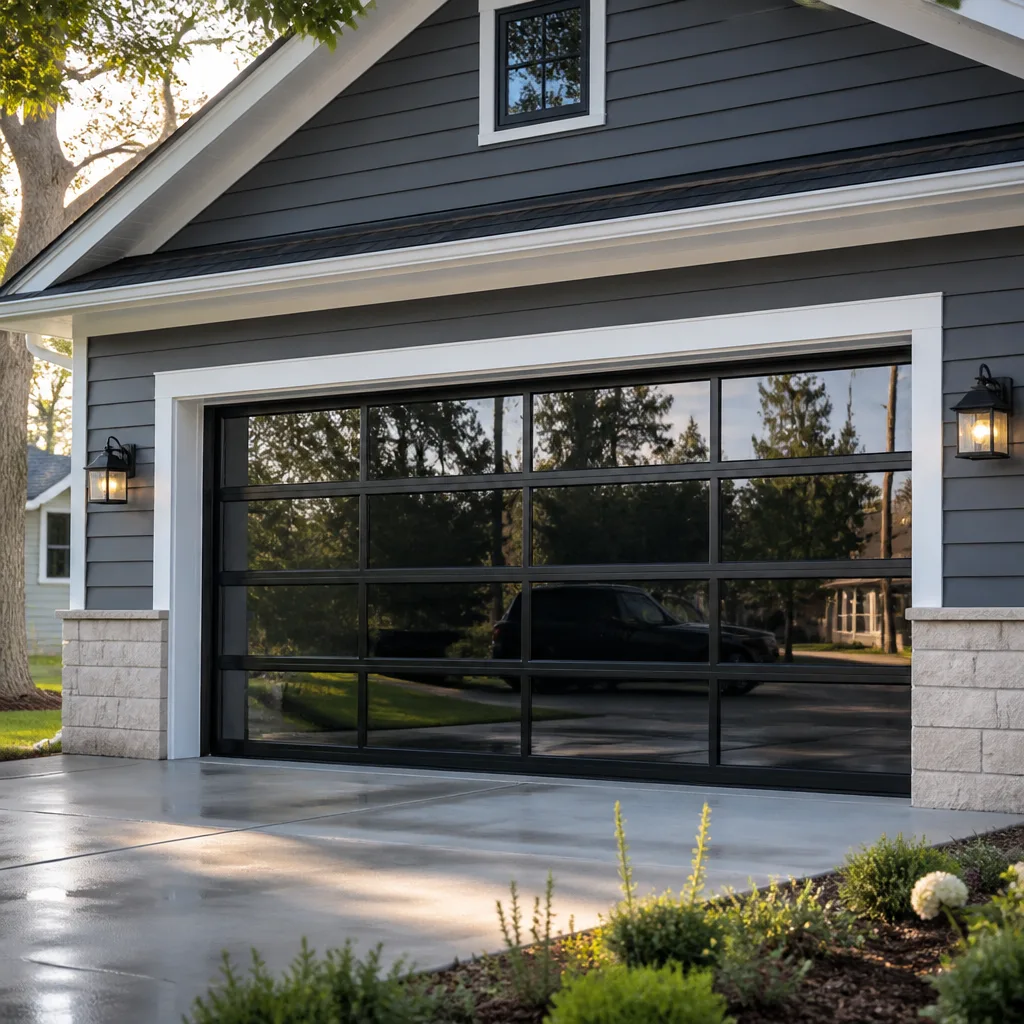 Full-view glass
 LiftMaster openers
 Chamberlain openers
Full 25-point door and opener safety check with every visit - springs, cables, rollers, tracks, and your LiftMaster or Chamberlain opener included
You get a price before we start. It does not change when the pro arrives.
Get your free estimateGarage Door Repair Troubleshooting in Odessa: Common Problems and How to Fix Them
Most garage door troubleshooting advice online assumes a mild climate and a clean, paved driveway. Odessa gives you neither. West Texas summers push metal components to expand beyond their design tolerances, which means a door that worked fine in April can bind, reverse, or refuse to close by July, and the fix is rarely the one most homeowners guess at. Add caliche dust working its way into every moving part and you have a door that ages faster than its label suggests. This guide teaches you to read the symptoms your door is already showing, decide what you can safely handle, and know when to stop and call us.
Quick Answer
Garage door problems in Odessa usually trace back to three root causes: heat expansion of metal tracks and panels, caliche dust intrusion at the sensors and rollers, and spring fatigue from constant thermal cycling. You can usually tell which one you’re facing by listening to the door and watching where it stops, reverses, or drags. Anything involving springs, cables, or the torsion assembly is not a homeowner job, and we’ll show you exactly where that line sits below.
Styles & brands we work with
- Raised-panel steel
- Carriage house
- Modern flush
- Full-view glass
- LiftMaster openers
- Chamberlain openers
Table of Contents
- The Three Root Causes of Odessa Garage Door Failures
- Symptom-to-Cause Reference Table
- Spring, Track, or Opener? How to Tell the Difference
- Caliche Dust and Sensor Misalignment
- How Extreme Heat Changes Torsion Spring Tension
- What You Can Safely Fix vs. What Needs a Professional
- Opener Symptoms That Point to the Opener Itself
- A Seasonal Troubleshooting Checklist for Odessa Homes
The Three Root Causes of Odessa Garage Door Failures
If you ask a homeowner in Odessa what’s wrong with their door, you’ll usually hear a symptom: it’s loud, it reverses, it won’t close all the way. If you ask a technician, they’re already thinking in root causes, because the symptom is downstream of the cause and treating the symptom alone means the problem comes back. In our experience across Odessa, nearly every repair leads back to one of three things.
Heat expansion
Metal track, hinges, rollers, and door panels all expand as temperatures climb through a West Texas summer. A track that was plumb in spring can bow slightly by July, and that bow is enough to make a roller drag, a door bind halfway up, or a panel catch the weather seal on the way down. The door isn’t failing because it’s worn out. It’s failing because its clearances shrank.
Dust intrusion
Caliche dust is fine, alkaline, and everywhere in Odessa. It works into hinges, roller bearings, and the photoelectric sensors at the bottom of your tracks. Once it settles, hinges stiffen and sensors lose their alignment or their clear line of sight. This is why a door that was perfectly quiet in winter starts groaning in spring and why a random reversal often isn’t an electrical fault at all.
Spring fatigue
Torsion and extension springs are under constant tension, and the load they carry cycles every time the door opens and closes. Factor in heat that relaxes and re-tensions the spring daily, and springs in Odessa tend to lose their calibration sooner than in temperate climates. A spring can fail outright with a loud snap, or it can simply weaken until the opener is straining to lift a door it used to handle easily.
Knowing which of these three is behind your problem is half the diagnosis. The other half is matching the symptom to the cause, which the next section covers.
Symptom-to-Cause Reference Table
Here is the reference we use when troubleshooting a door over the phone. Find your symptom, then look at the likely cause and whether it’s a homeowner fix or a professional repair. This table covers the eight failure modes we most often see in Odessa homes.
- Door is very heavy to lift by hand: broken or badly weakened spring. Professional repair, no exceptions.
- Door reverses immediately after touching the floor: sensor misalignment or obstruction, sometimes caused by caliche dust on the lenses. Homeowner check first.
- Door travels unevenly, one side higher: track out of alignment or a cable that has slipped. Professional repair.
- Loud grinding or squealing during travel: dry or worn rollers and hinges, or dust buildup. Homeowner lubrication, then professional if it persists.
- Opener runs but door doesn’t move: broken spring, snapped cable, or a stripped drive gear. Professional diagnosis.
- Door stops partway up or down: travel-limit settings out of adjustment, or a binding track. Opener limits are a homeowner adjustment; a binding track needs a pro.
- Door closes then reopens on its own: sensor issue or a limit set too far down. Homeowner check, then professional.
- Opener works from the wall switch but not the remote: remote battery, or a receiver/logic issue on the opener. Homeowner battery swap, then professional.
Two of those eight are genuine homeowner territory: sensors and remotes. The rest either need the right tools or need someone who knows what a spring under load looks like when it’s about to let go.
Spring, Track, or Opener? How to Tell the Difference
The single most useful troubleshooting skill is telling these three apart, because the fix and the cost are completely different for each. You can usually narrow it down in under a minute using only what you can see and hear, without touching anything under tension.
Step 1: Listen to the opener
Stand outside the door and have someone press the wall button. If the motor runs but the door doesn’t move, or moves only a few inches, the problem is mechanical, not electrical. That points at a spring, a cable, or a stripped gear in the opener. If the motor is silent, the problem is the opener or its power.
Step 2: Watch the door travel
If the door moves but one side lags behind the other, you’re looking at a track or cable problem. A door that moves smoothly but drags at a certain height usually points at a binding track or a stiff hinge, and the height where it drags tells you where to look.
Step 3: Test with the door disconnected (only if it’s safe)
If you can reach the manual release cord safely and the door is not visibly damaged, pull it to disconnect the opener and lift the door by hand. A properly balanced door should lift with one hand and stay put when you let go halfway. If it takes real effort to lift, the springs are the problem. If it lifts easily but won’t stay put, the springs are out of adjustment. Both are professional repairs.
Step 4: Rule out the opener last
If the door is balanced and moves freely by hand but the opener won’t operate it, the opener is the culprit. Modern openers from LiftMaster, Chamberlain, and Genie have symptom patterns that point to specific faults: a flashing diagnostic light, a repeated click with no movement, or a drive that only works from one control. That’s the point where garage door opener repair becomes the right call rather than continuing to troubleshoot the door.
Caliche Dust and Sensor Misalignment
The photoelectric sensors at the bottom of your tracks are two small units facing each other across the opening, and their job is simple: if the beam between them is broken, the door won’t close. In Odessa, that beam gets interrupted by dust long before it gets interrupted by anything else. Most “my door won’t close” calls we get start and end with the sensors.
Caliche dust settles on the lens and on the small indicator LEDs, and it also coats the bracket the sensor sits on. The result is a sensor that’s perfectly functional but no longer sending or receiving a clean signal. To verify before you call anyone:
- Look at each sensor unit at the bottom of the door. Most have a small LED. A steady light on one and a flickering or dark light on the other usually means the beam isn’t getting through.
- Wipe both lenses with a soft, dry cloth. Don’t spray cleaner directly on the sensor.
- Check that nothing has shifted: a sensor bumped out of alignment by a yard tool or a car bumper will fail even after you clean it.
- Press the wall button and see if the door closes normally. If it does, the dust was the whole story.
- If it still reverses, the sensor may need realigning or the wiring may have a fault. That’s when to call.
If your opener is a smart unit from LiftMaster or Chamberlain, it may report a sensor fault in its app, which saves you a diagnostic step. Keeping the sensor lenses clean is also the single best preventive habit for a door in Odessa, where dust is a year-round condition rather than a seasonal one.
How Extreme Heat Changes Torsion Spring Tension
A torsion spring is a coiled steel bar that stores energy to counterbalance the door’s weight, and it’s calibrated to a specific number of turns for that door. Heat changes the equation. As the spring and the metal drum it wraps around expand, the effective tension shifts, and a spring that was correctly calibrated in a mild month can feel noticeably stiffer or looser by mid-summer. That’s why a door can feel “off” in July even though nothing was adjusted and nothing broke.
What that means in practice:
- A door that’s heavier in summer than in winter is showing you a spring that’s nearing the end of its calibration.
- A door that slams or closes faster in heat may have a spring that’s become too relaxed, so the door’s weight is doing more of the falling.
- The opener bears the extra load, which shortens its life and can strip a gear if the spring is left alone.
- Torsion springs should be rebalanced by a technician, not adjusted by a homeowner. They’re under extreme tension.
Here’s where we pause and say the thing that matters most: torsion springs and the cables that run through them are the single most dangerous part of any garage door. They’re under enough tension to cause serious injury, and the wind-up process requires specific tools and a controlled release. Do not attempt to adjust, tighten, or replace a torsion spring or a cable. If you suspect a spring problem, stop and call us, because a trained technician can rebalance the door safely and get it right in one visit.
What You Can Safely Fix vs. What Needs a Professional
There’s a clear line between what’s safe to handle on your own and what needs a trained technician. Crossing it isn’t just about a wasted afternoon. Some garage door components can injure you badly if you don’t know what you’re doing. Use this as your guide.
Safe for a homeowner
- Cleaning the photoelectric sensor lenses and confirming the LEDs are lit.
- Replacing the battery in a remote and re-pairing it to the opener.
- Lubricating hinges, rollers, and the opener rail with a garage-door-specific lubricant.
- Adjusting the travel limits on the opener using its manual, which most openers make straightforward.
- Clearing obstructions and debris from the door’s path.
- Changing the code on a keypad opener.
Needs a professional technician
- Any spring work, torsion or extension, including adjustment and replacement.
- Cable repair or replacement, and the drums the cables wind onto.
- Track realignment when the track is bent or has pulled away from the frame.
- Replacing a stripped drive gear inside the opener.
- Replacing rollers or hinges on a door that’s under spring tension.
- Any structural repair to panels, doors, and the reinforcement that has to come off first.
The rule of thumb: if the repair requires unloading the door’s spring tension or working around a component that is, the answer is to call. Our technicians have up to 11 years of experience, and we work on the door you already own rather than pushing a brand we happen to stock. That’s part of what keeps us the dedicated choice for garage door repair in this part of West Texas.
Opener Symptoms That Point to the Opener Itself
When the door is balanced and moves freely by hand, the opener is the place to look, and openers fail in recognizable patterns. We service the brands most Odessa homes have, including LiftMaster, Chamberlain, Genie, and the Craftsman units many older homes still run. Here’s how we narrow down an opener problem before we open a single panel.
Opener clicks but doesn’t move. That click is the motor engaging, then something downstream is stuck: a stripped drive gear, a broken sprocket, or a chain that’s come off its track. It’s usually a repair, not a full replacement.
Opener runs and the door moves a few inches, then stops. This often points at the travel limits being set wrong or the force adjustment being too low. If the door is physically stiff, the opener is doing the right thing by stopping, and the door is the real problem.
Opener works from the wall switch but not the remote. Try a fresh battery and a re-pair first. If it still won’t respond, the receiver or logic board on the opener needs a look.
Opener beeps or the light flashes a code. Most modern openers use their light to report a fault. Count the flashes before you call us and we’ll have a head start on the diagnosis.
If your door’s opener has a smart-home connection, the app may already be telling you what’s wrong. Connectivity is one place where a generalist handyman will struggle, which is why we specialize in opener brands from the consumer-grade LiftMaster and Chamberlain smart units up to commercial-grade Raynor and Genie systems. A dedicated garage door specialist shouldn’t be stumped by whatever opener is bolted above your car.
A Seasonal Troubleshooting Checklist for Odessa Homes
The best troubleshooting is preventive, and in Odessa the seasonal pattern is predictable enough to plan around. Run this checklist once at the start of summer and once as temperatures drop, and you’ll catch small problems before they turn into a spring failure or a track repair.
Before summer heat arrives
- Test the door’s balance by hand. Lift it halfway and see if it stays. If it doesn’t, the springs need a professional look before the heat puts them under more stress.
- Wipe down the sensor lenses and confirm both LEDs are lit.
- Lubricate hinges and rollers with a garage-door-specific spray.
- Check that the track is straight with a level and that the wall brackets are tight.
- Clear caliche dust from the opener housing and its vents.
Before the first cool snap
- Repeat the balance test. A door that felt fine in the heat can feel different once the metal contracts.
- Re-check the sensor alignment, since dust settles differently in cooler months.
- Listen for new noises on the first few cycles of the season. Any grind or squeal you didn’t hear last month is worth investigating.
- Test the manual release to make sure it engages and disengages smoothly.
- Check the door’s weather seal, since a gap lets more dust in and loads the opener harder.
If any item on either list fails, that’s your troubleshooting shortcut. You’ve found the root cause before it found you.
Common Mistakes to Avoid
- Spraying WD-40 on the springs and calling it lubrication. Springs don’t need and shouldn’t get the wrong lubricant, and the noise you’re trying to fix is usually coming from hinges and rollers, not the spring.
- Cranking the opener’s force adjustment to get a stubborn door to close. If the opener is straining, increasing the force just masks a door that’s binding. It’ll wear out the opener faster and can let the door close on an obstruction.
- Assuming a reversing door is a sensor problem without cleaning the lenses first. In Odessa, caliche dust on the sensor explains more reversals than any electrical fault. Wipe the lenses before you call anyone.
- Trying to fix a track by forcing it back into place by hand. A bent track has to be replaced or carefully realigned, and forcing it can crack a hinge or damage a panel. That’s a professional call.
- Ignoring a door that lifts harder as temperatures rise. That’s the early warning for a tired spring. Waiting until it snaps usually means the door is stuck open or closed and you’re booking a same-day repair you didn’t plan for.
- Pulling the manual release on a door that’s already off its track. If the door is visibly crooked or a cable is hanging, don’t pull the release. The door can come down fast. Call us instead.
- Buying a new opener before checking whether the door is the problem. More than a few “opener failures” turn out to be a door that needs a spring. Diagnose the door before you replace the opener.
See the difference
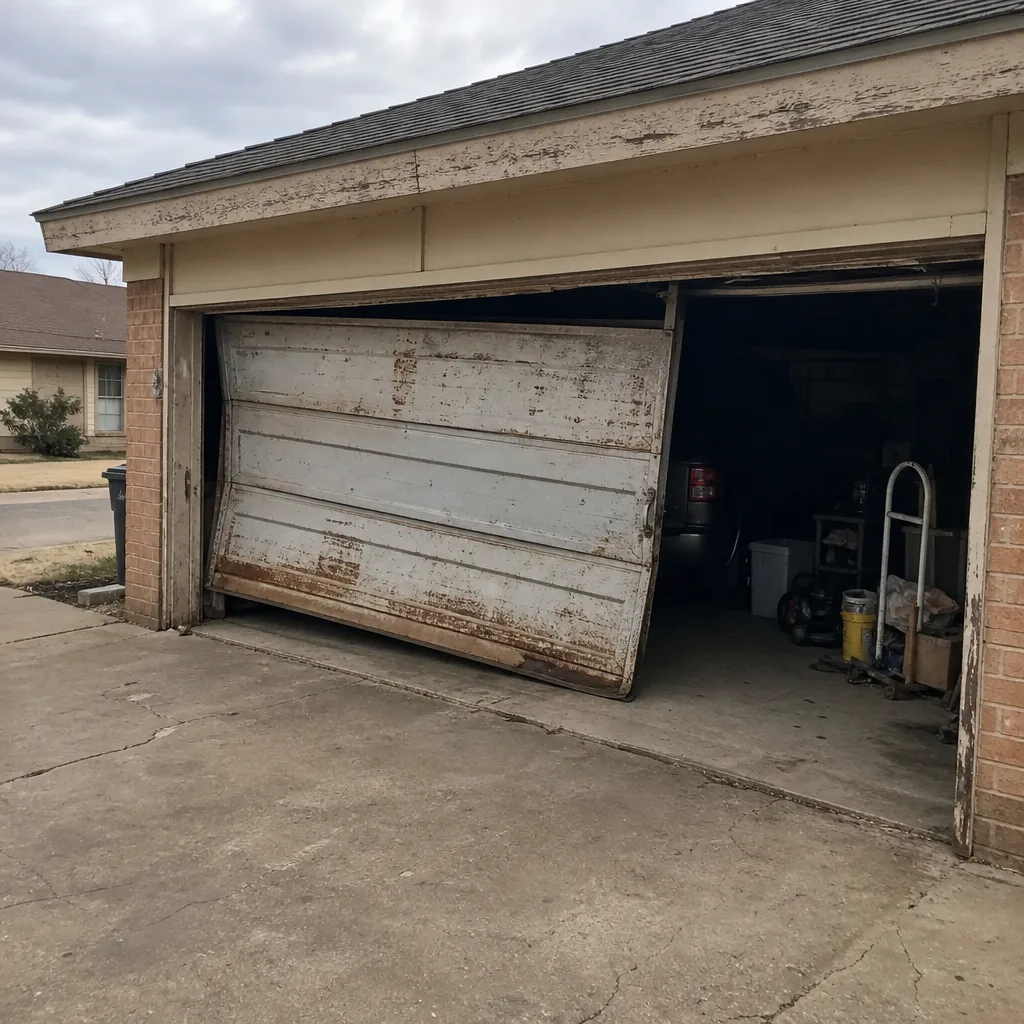 Before
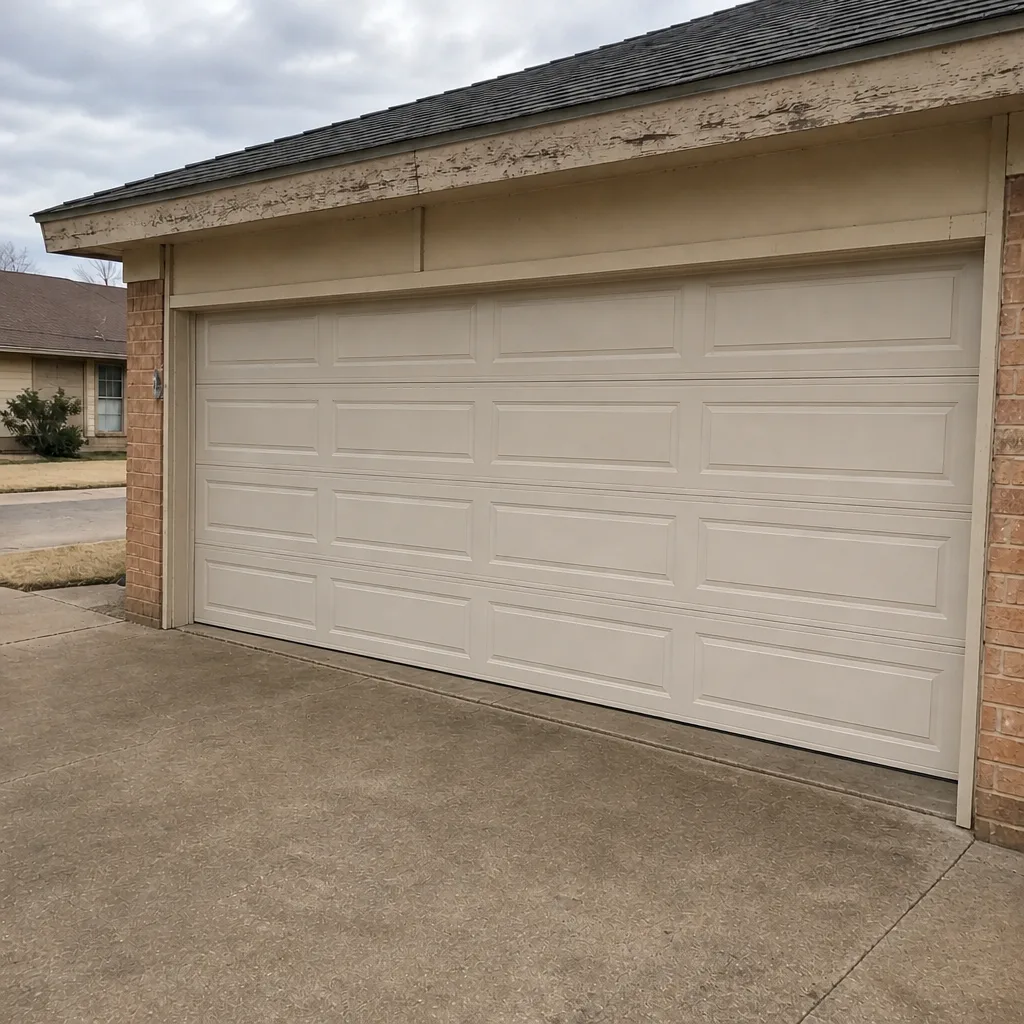 After
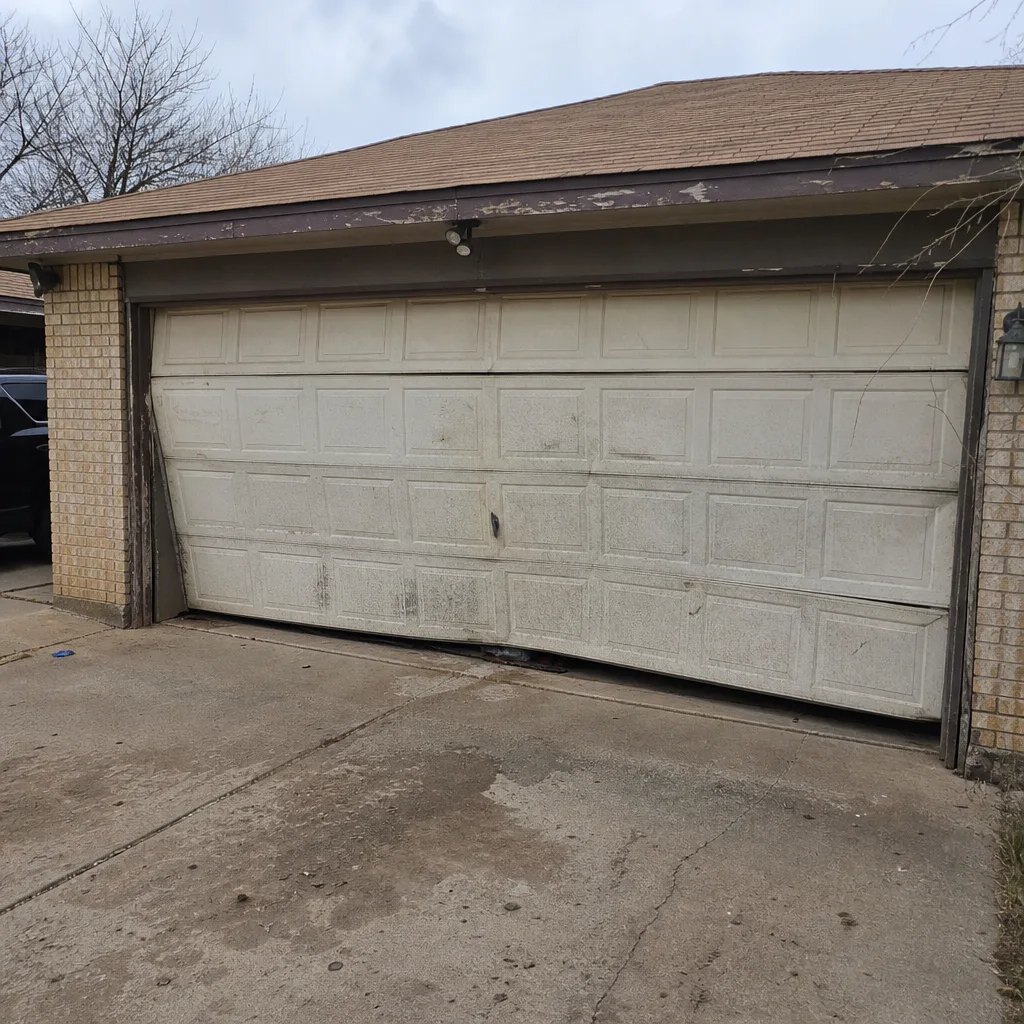 Before
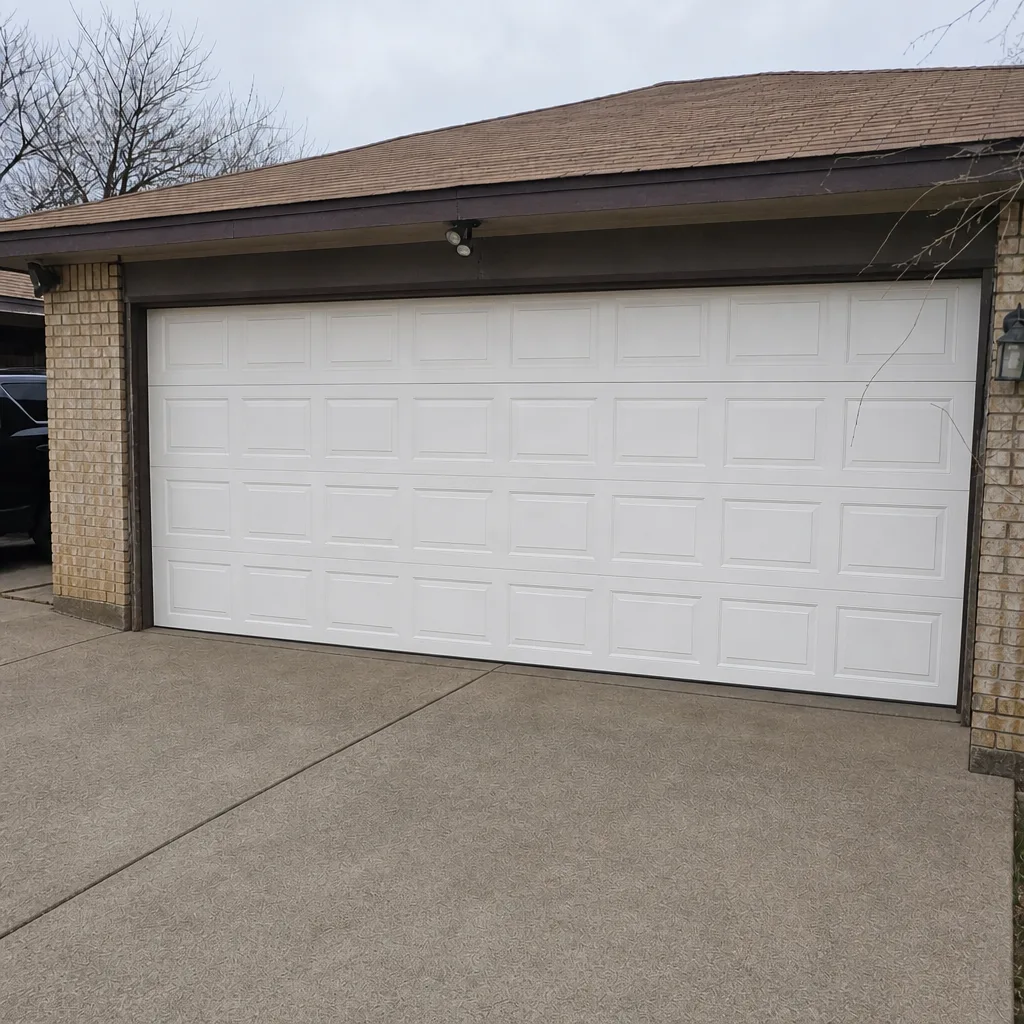 After
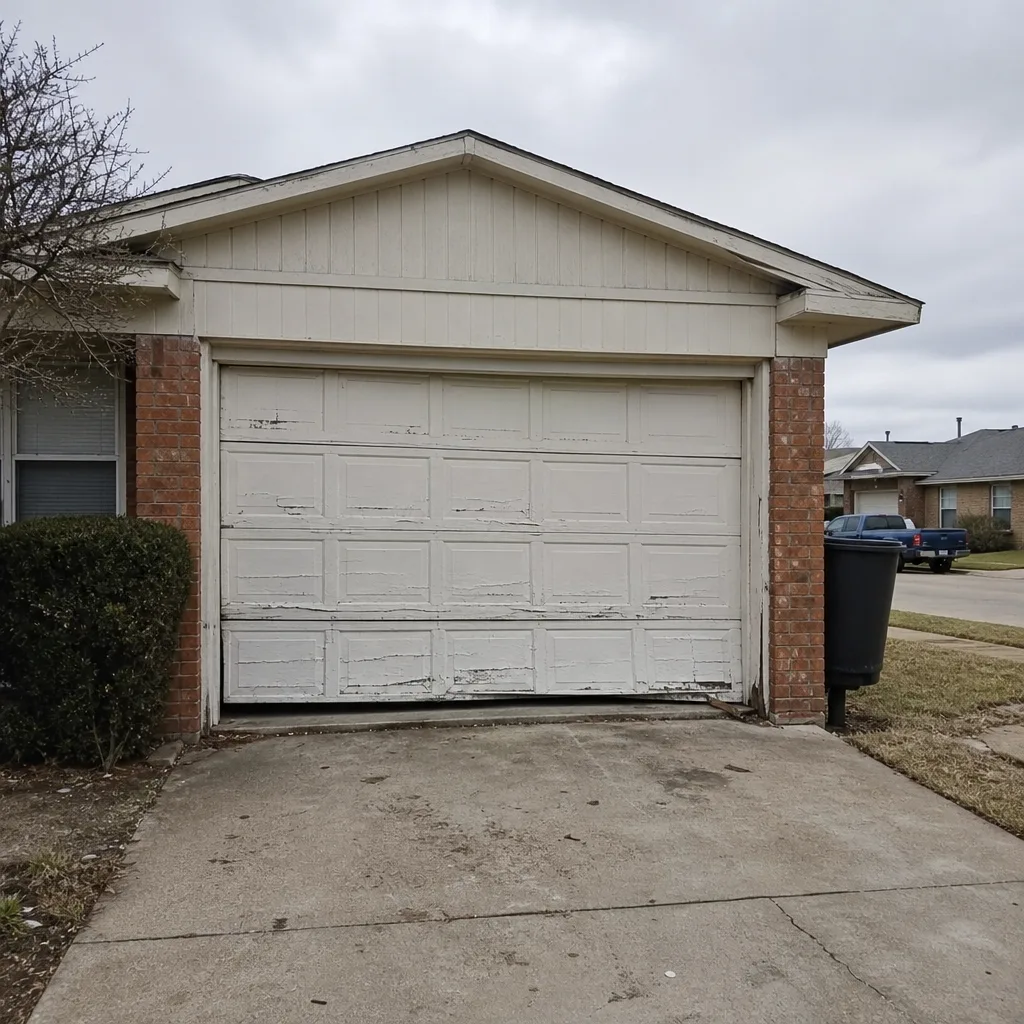 Before
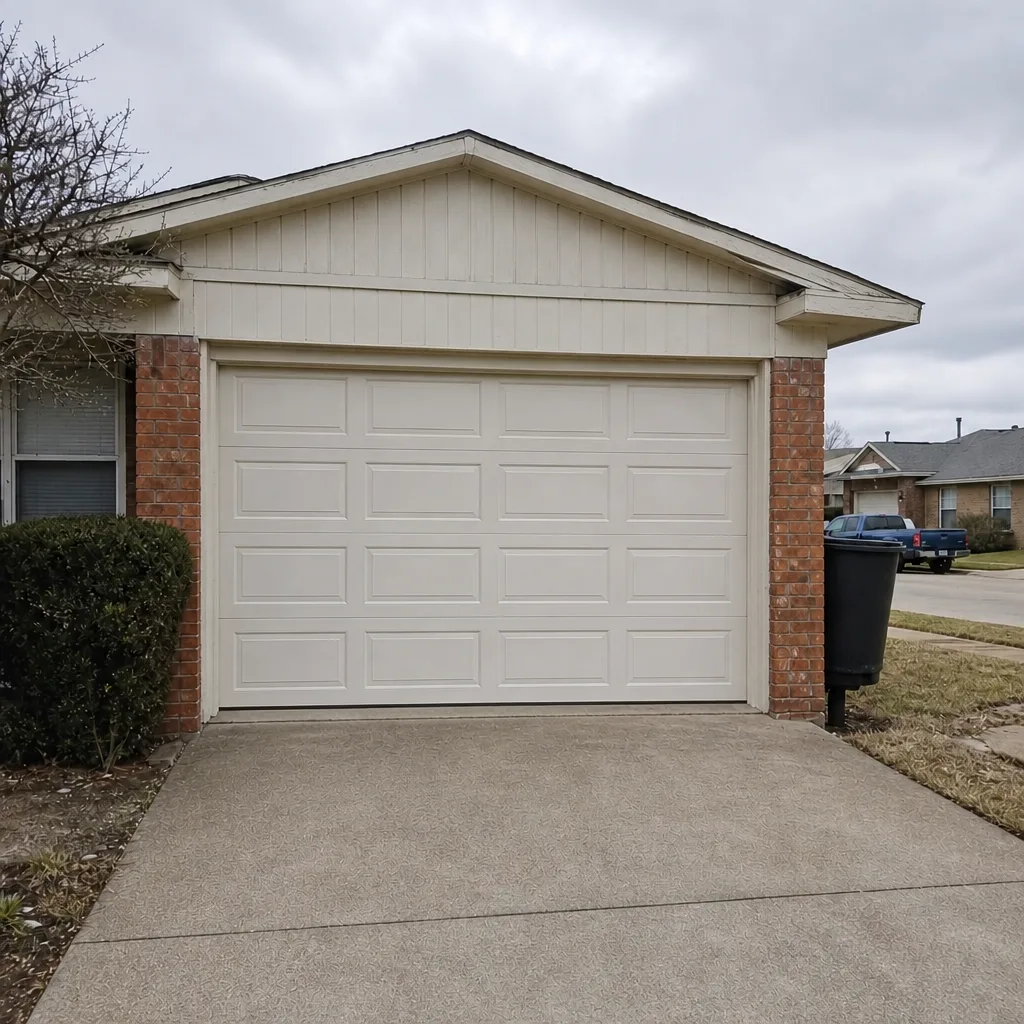 After
When to Call a Professional
Call us immediately if you see a snapped or visibly sagging spring, a cable hanging loose, or a door that has come off one of its tracks. These are the “do not touch this” situations, and the right move is to keep everyone clear of the door and call. Also call if the door reverses repeatedly after you’ve cleaned the sensors, if the opener runs but the door doesn’t move, or if a door that used to be quiet now grinds, squeals, or binds. Any repair that touches springs, cables, or the structural panels of the door needs a trained technician, and torsion springs in particular should never be adjusted by a homeowner. Odessa Garage Door Service offers free estimates in Odessa, and we’d rather diagnose a small problem than repair a big one. Call (844) 765-2569 for a free estimate, with fast dispatch from 7am to 7pm, Sunday through Friday. We answer 24/7.
Frequently Asked Questions
Heat expansion changes the fit of metal components. Tracks, hinges, and panels expand in summer, and torsion springs shift tension as they warm, so a door that was balanced in winter can bind, reverse, or feel heavier by July. Cleaning the sensors and checking the door’s balance by hand narrows down whether it’s a track problem, a sensor problem, or a tired spring. If the door lifts with real effort during warm weather, a technician should rebalance the springs. Call (844) 765-2569 for a free estimate and we’ll confirm the cause.
It’s usually a mechanical problem downstream of the opener: a broken spring, a stripped gear, or a binding track. Test the door by hand if it’s safe to reach the manual release. If it won’t move with the opener disconnected, the door is the problem. If it moves fine by hand but the opener won’t, the fault is in the opener. Our technicians have up to 11 years of experience and can tell the two apart quickly. Call (844) 765-2569 for a free estimate.
No. Torsion springs are under extreme tension and can cause serious injury if the wrong tool slips or the wind-up isn’t controlled. Even experienced DIY homeowners should have a technician handle spring replacement and adjustment. We work on the spring system your door already has, and the written estimate sets the price before any work starts. Call (844) 765-2569 to schedule a free estimate.
Sensor problems usually cause the door to reverse immediately after it touches, so it never quite closes. Alignment problems tend to show up as a door that travels crooked, one side higher than the other, or binds at a certain height. Wipe both sensor lenses with a dry cloth and check that the tiny LEDs are lit. If the door still reverses, the sensor needs realigning or the door needs a technician. Call (844) 765-2569 for a free estimate.
Yes, and it’s one of the most common causes of sensor trouble in Odessa. The dust coats the sensor lenses and the sensor brackets, and once the beam is blocked the door thinks something is in the way and refuses to close. It also works into hinges and rollers and stiffens them over time. Cleaning the lenses and lubricating the hinges is the fix. If the parts are worn, we can replace them. Call (844) 765-2569 for a free estimate.
Diagnose the door first. A door that lifts hard, drags, or binds is a door problem, and replacing the opener won’t fix it. If the door moves easily by hand but the opener won’t operate it, the opener is the fault. Our technicians service LiftMaster, Chamberlain, Genie, Clopay, Amarr, Wayne Dalton, Craftsman, and Raynor, so we can work on your brand. Call (844) 765-2569 for a free estimate and we’ll tell you which it is.
The Bottom Line
Odessa garage door problems almost always trace back to heat expansion, caliche dust, or spring fatigue, and learning to read the symptoms narrows the cause fast. Clean the sensors, listen for the difference between a motor that runs and one that doesn’t, and check the door’s balance by hand. Anything that touches springs, cables, or the track alignment is a professional repair, and we’d rather you called us early than found out the hard way. Garage doors are all we do, we work on the door you already own, and we quote the price in writing before any work starts. Tap Odessa Garage Door Service for the full scope, or call us to get your door back up and running.
Contact Odessa Garage Door Service for a free estimate today. Call (844) 765-2569. We answer 24/7. Fast dispatch from 7am to 7pm, Sunday through Friday, and closed Saturday.
Written by the team at Odessa Garage Door Service.