
Last updated November 16, 2026
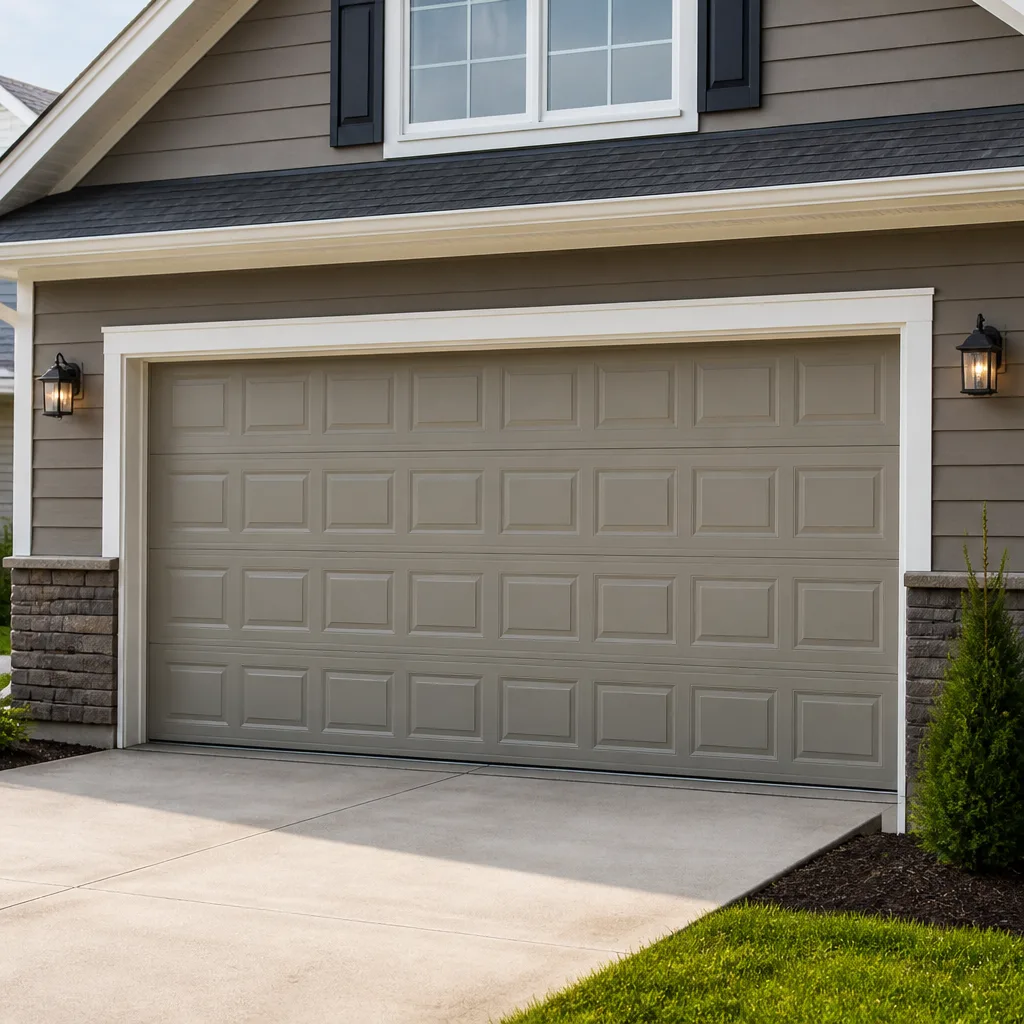 Raised-panel steel
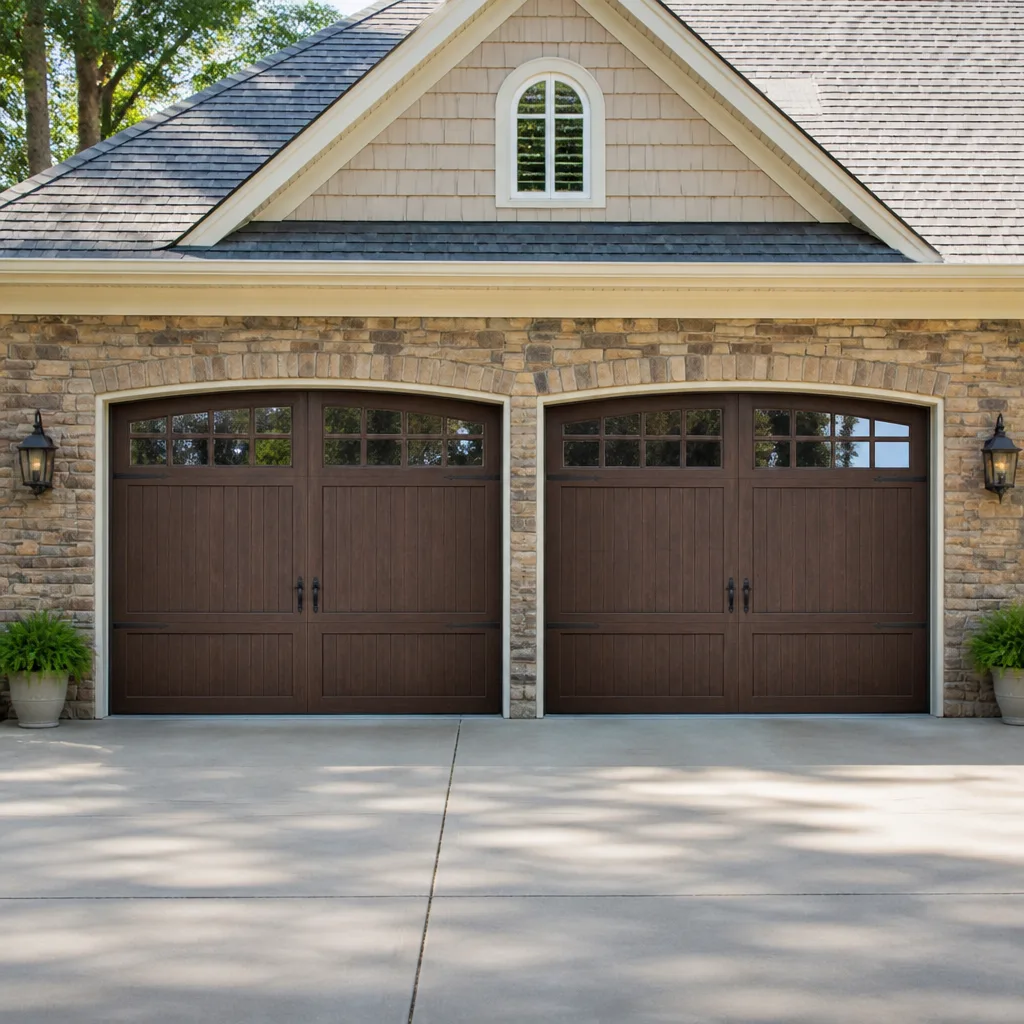 Carriage house
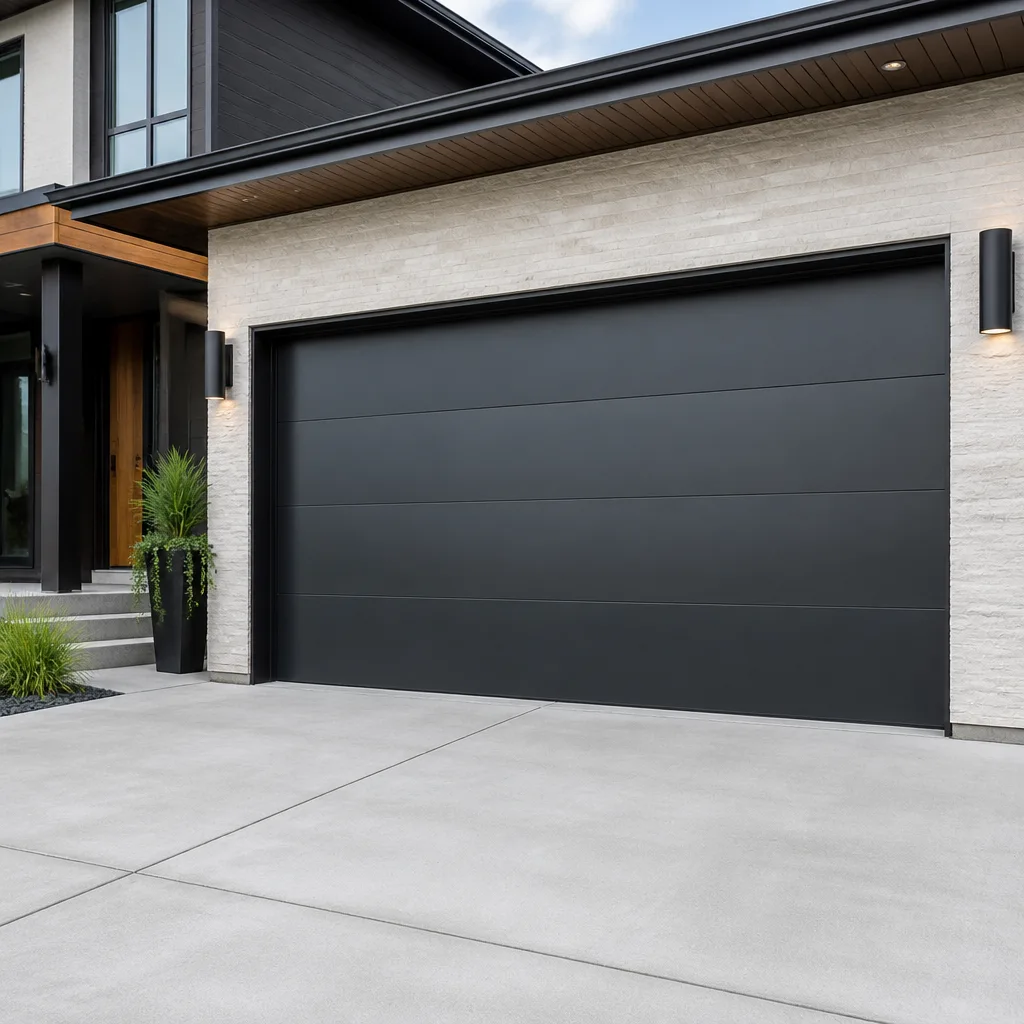 Modern flush
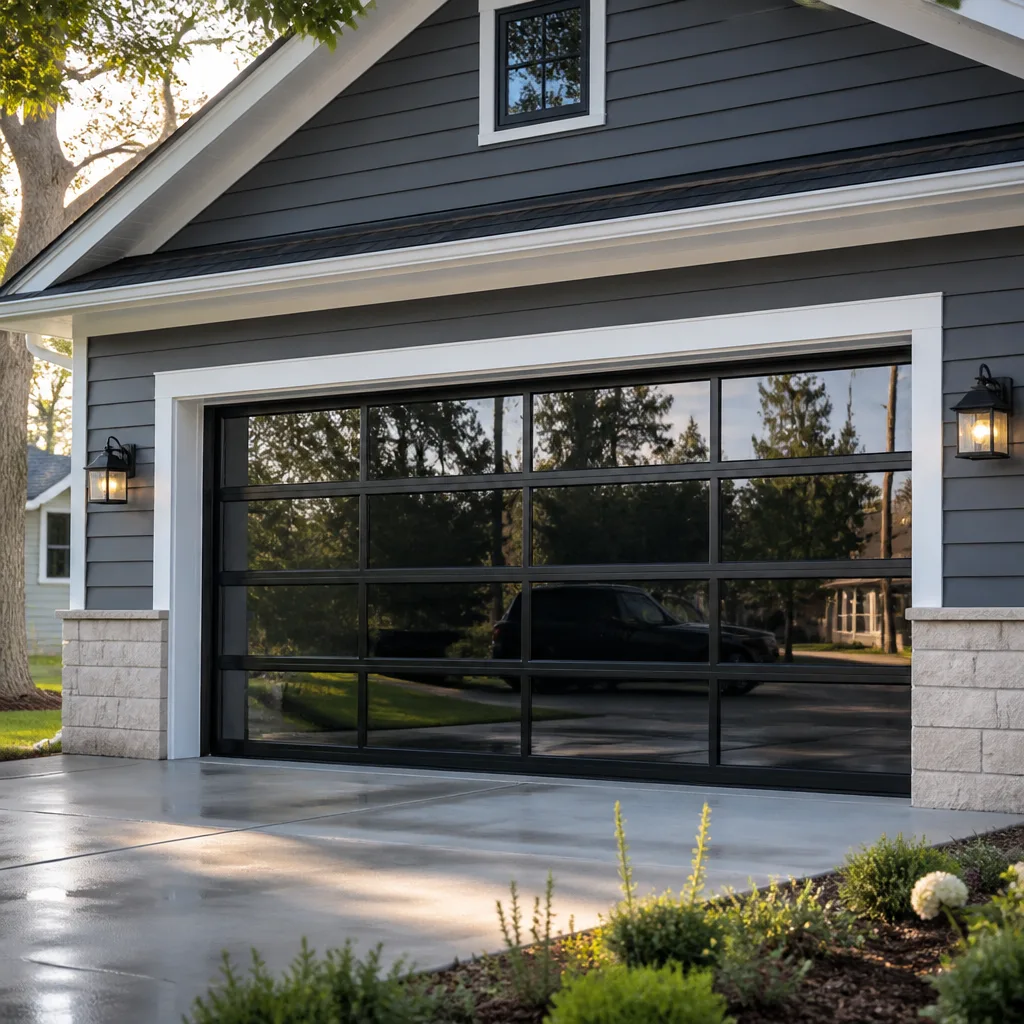 Full-view glass
 LiftMaster openers
 Chamberlain openers
Full 25-point door and opener safety check with every visit - springs, cables, rollers, tracks, and your LiftMaster or Chamberlain opener included
You get a price before we start. It does not change when the pro arrives.
Get your free estimateGarage Door Warning Signs: An Odessa Homeowner’s Reference Guide
A torsion spring doesn’t just snap without notice. It tells you it’s going – through a specific sound during operation, a slight imbalance you can feel when you lift the door manually, and visible wear if you know where to look. Most garage door failures in Odessa don’t happen out of nowhere. They happen because nobody translated the warning into plain language in time. That’s what this guide does. By the end, you’ll know which sounds mean one more week and which mean stop using the door today, how to read the wear on springs, cables, rollers, and weatherstripping, and how to describe what you’re hearing and seeing so a technician can diagnose it fast and quote it right the first time.
Quick Answer
The warning signs of an impending garage door failure are a loud bang or pop during operation, a door that lifts crooked or feels unusually heavy when you raise it by hand, visible gaps or fraying on the springs and cables, and grinding or squealing that gets worse over time. If you hear a bang followed by a door that won’t open, a spring has likely broken – stop using the door and call a professional. If the signs are gradual wear and growing noise, you usually have a few weeks to schedule service. In Odessa, the dry air and summer heat make lubrication and weatherstripping checks worth doing more often than the manufacturer’s manual suggests.
Styles & brands we work with
- Raised-panel steel
- Carriage house
- Modern flush
- Full-view glass
- LiftMaster openers
- Chamberlain openers
Table of Contents
- A Sound-by-Sound Diagnosis
- Reading Wear on Springs and Cables
- Rollers, Tracks, and Weatherstripping
- The Manual Lift Test
- Stop Using the Door Today vs. Schedule This Month
- Opener Warning Signs
- How to Describe What You’re Seeing
- Why Odessa Conditions Matter
A Sound-by-Sound Diagnosis
The sound your door makes is the most reliable early indicator you have, and each sound points to a different part. A grinding noise that seems to come from the top of the door usually means a bearing plate or the opener’s gear assembly is wearing. A squeal that rises and falls with the door’s travel is almost always a dry roller or a dry hinge, and it’s the easiest warning sign to fix. A sharp pop during operation is different from a bang. A pop can be a cable jumping a drum or a hinge under stress. A single loud bang from the center of the door, followed by the door refusing to lift, is a broken torsion spring. Rattling that gets louder over months usually traces back to loose track bolts or a worn roller stem.
Here’s how to sort the sounds by urgency:
- Grinding from the opener head: the opener’s internal gears are wearing. It’ll keep working for a while and then fail. Schedule garage door opener repair before it strands you.
- Squealing along the track: dry rollers or hinges. Lubrication usually quiets it. If it returns within a month, a roller is failing.
- A pop followed by a crooked door: cable or drum problem. Stop using the door.
- A bang from the center, then dead: broken spring. Stop using the door immediately.
- Rattling over rough concrete: usually loose hardware or a worn bottom roller. Tighten or replace, depending on what you find.
Sound location matters as much as sound character. Noise the whole neighborhood can hear from the front of an Odessa house is usually a spring or cable event. Noise only you can hear from the kitchen is usually routine wear.
Reading Wear on Springs and Cables
Springs and cables do the actual lifting. The opener only guides the door once the door is balanced. That’s why spring and cable wear matters more than anything else on this list, and why a door that limps along at a slight angle is worth investigating before the spring snaps.
On a torsion spring, the coil above the door, look for a visible gap in the coil. A one-inch separation between two coils, or a spring that hangs at a sag instead of a straight line, means it has failed or is failing. Rust streaks on the spring are another sign – not because Odessa gets coastal air (it doesn’t), but because interior humidity and years of condensation leave their mark. If your garage has ever had a leaky water heater or a wet floor after a rain, that’s where spring corrosion comes from.
Cables are easier to read but harder to see because they’re usually hidden at the sides. Look for:
- Frayed strands sticking out like a brush near the drum
- A cable that has come off the drum and lies against the track
- A slack cable on one side while the other stays tight
- Red rust bloom along the cable rather than at the end fitting
- A cable that has been stretched out of its original path
Any one of these means the door has an unbalanced lift and is at higher risk of coming down hard. A cable that’s failed is not a do-it-yourself fix. The tension on a wound torsion spring can cause serious injury, and this is one of the few parts on a house we tell homeowners to leave to a trained technician. Handle it with us on the line at (844) 765-2569 if you’re not sure what you’re looking at.
Rollers, Tracks, and Weatherstripping
Rollers, tracks, and weatherstripping fail slowly and give lots of warning. They’re the low-cost, low-risk parts of the system, and their condition tells you a lot about how well the whole door is being maintained.
Nylon rollers develop flat spots that make the door bump as it travels. Steel rollers develop rust and start squeaking. If you run the door and it stutters at one inch of travel – a small jolt about a foot up from the closed position – a flat-spotted roller is usually the cause. Rollers are cheap. Replacing them is a reasonable early-winter project wherever you live in Odessa.
Tracks bend. A door that pulls to one side, scrapes at the top, or shows a shiny wear mark along the inner rail has a track that’s out of alignment. Small bends at the curve between the vertical and horizontal sections are the most common. Don’t try to straighten a track with a hammer – you’ll pinch it and turn a small bend into a full track replacement.
Weatherstripping is the rubber or vinyl seal around the door’s perimeter and along the floor. In Odessa, it takes a beating. Between the summer heat and the dry air, the bottom seal cracks and the sides shrink. A visible gap under the door lets hot air in, dust in, and occasional critters in. Run your hand along the bottom seal on a cool morning – if it flakes or crumbles, it’s ready to be replaced. This is the cheapest fix on the entire door and the one most often skipped.
What the weather seal tells you about the rest of the door
A seal that’s cracked and gone usually means the door hasn’t been touched in years. That’s a cue to look harder at the springs and cables, which wear on the same timeline.
The Manual Lift Test
The manual lift test is the single most informative five-minute check a homeowner can do. It tells you whether the springs are still balanced, whether a cable has failed, and whether the door itself has developed a bind. Do it only when the door is fully closed and the opener is disconnected.
- Disconnect the opener. Pull the emergency release cord. The door should stay put.
- Lift the door slowly by hand. A balanced door moves up with one hand and a steady amount of pressure – about what it takes to push a loaded wheelbarrow. If it feels much heavier than that, the springs are losing tension.
- Stop halfway. Let go gently. The door should stay where you left it. If it drops, the springs aren’t carrying the load. If it rises on its own, they’re over-tensioned.
- Lower the door slowly. It should travel the full way down and meet the floor evenly. A door that slams on the way down or lands crooked is out of balance.
- Reconnect the opener. Push the door back into the fully closed position, then re-engage the trolley.
What the result means: a door that lifts easy and holds halfway has working springs and cables. A door that’s become heavy on one side has a cable issue, likely the one on that side. A door that slams or won’t stay up has weakened springs. If it feels unusually hard to lift from the closed position, stop – one of the cables may already be slack, and pulling further can cause it to come off the drum.
Don’t use this test to diagnose a broken spring. If the door is dead heavy from the first inch, close it gently and stop. That’s the point where you should call (844) 765-2569 and describe what you found. Never run the test while standing under the door.
Stop Using the Door Today vs. Schedule This Month
Not every warning sign is an emergency, and treating all of them like crises costs homeowners money they don’t need to spend. Here’s how we sort them.
Stop using the door immediately if you see or hear:
- A loud bang from the center, followed by the door hanging or refusing to open.
- A spring with a visible gap in the coil.
- A cable that has come off the drum or lies slack against the track.
- The door lifting at a visibly crooked angle, two inches or more between sides.
- The door lifting halfway and slamming back down.
- Panels separating from the frame or the door coming off a track.
- Any sound of metal against concrete from the bottom of the door.
Any item on this list means the door could come down under its own weight on a person or a car. Stop running it. The door can stay closed, but don’t stand under it.
Schedule service in the next few weeks if you notice:
- Grinding that’s getting louder but the door still works.
- Squealing that returns within a month of lubrication.
- A visual gap under the bottom weather seal.
- Rust on rollers or hinges.
- A remote that works only up close.
- An opener that reverses before the door fully closes.
These are the “get it on the calendar” items. In our experience, homeowners who treat them as maintenance spend less on average than homeowners who wait for the emergency call, because the fix stays small. With up to 11 years of experience across our technicians, we’ve seen enough of both to know which list a given symptom falls into within a few questions.
Opener Warning Signs
Openers fail more gradually than springs. A LiftMaster, Chamberlain, Genie, or older Craftsman unit that’s on its way out will signal it in one or more of these ways, and the warning signs are easy to mistake for “just needs a new battery.”
- Stops working within a few feet of the remote: the logic board or the safety sensor is on the way out, not the battery. If new batteries change nothing, the opener is the issue.
- Runs briefly, then reverses: the safety sensors or the force limits need attention. If the beam isn’t blocked, the opener is tripping its own internal limits – get it looked at.
- Runs a second or two after you press the button, then lurches: the gear assembly inside the head is stripping.
- Lights on the wall button flicker when the door runs: a wiring or logic board issue at the head unit.
- Chain or belt jumps off the sprocket: something is out of alignment, and it’s usually the door, not the opener.
One thing worth knowing: many “opener” failures turn out to be door problems. An opener forces a heavy door up, and the extra load wears the gears and the motor faster. If your door has become heavy, an opener that suddenly fails is often the second symptom, not the first. We look at both before recommending a replacement, which is why we’re not in a hurry to sell you a new opener when a repair will do.
When an older opener is worth replacing vs. repairing
An opener on a Raynor or LiftMaster door that’s more than fifteen years old and starting to fail in ways that touch the logic board usually costs less to replace than to repair piece by piece. A unit that’s five years old with a stripped drive gear is a different math. There’s no rule here that beats a technician looking at the specific unit.
How to Describe What You’re Seeing
Homeowners get much better quotes when they describe symptoms accurately over the phone. Vague language (“it’s making a noise”) leads to an accurately-priced but not very useful preliminary estimate; specific language (“grinding from the top of the door, comes and goes, louder on the way up, opened it maybe ten times since it started”) gets you a tech with the right parts and a realistic expectation of time on site.
Here’s the checklist we’d ask you to run through before you call any garage professional in Odessa:
- Where is the noise? Top center, sides, bottom, or the opener head.
- When does it happen? Going up, coming down, both, or only at a specific height.
- Did it start suddenly or slowly? Sudden usually means a part broke. Gradual usually means wear.
- Is the door level? Walk to the front and look at the gap between the door and the frame. Is it even on both sides?
- Did the manual lift test pass or fail? Report the weight and the halfway hold.
- What’s the door material and make? A Clopay steel door, an Amarr steel door, a wood door – the material matters for weight and balance.
- What’s the opener brand? Raynor, LiftMaster, Chamberlain, Genie, and older Craftsmans all have their own quirks.
- When was the last lubrication? If you don’t know, say so. It tells the technician to start there.
You don’t need to know what’s wrong. You just need to describe what you saw and heard. We’re certified to service eight of the most widely installed door and opener brands, so once we hear “LiftMaster” or “Wayne Dalton,” we know the platform and what tends to fail on it.
Why Odessa Conditions Matter
Household maintenance advice from national sites is written for a house in a mild, humid climate. Odessa isn’t that. Summers here run hot and dry, and winters are mild enough that garage doors see very little freezing and thawing. That changes which parts wear fastest and which maintenance is worth your time.
Heat and dry air make rubber crack. The weatherstripping along the bottom of an Odessa door has a shorter usable life than the same seal in a cooler climate, so it’s worth checking every spring and fall rather than once a year. The same dry air evaporates the lubrication on rollers and hinges faster, which is why a door that was quiet in the cooler months starts squealing by July. If you run a swamp cooler or an AC system near the garage, the moisture and vibration nearby can also accelerate corrosion on the door frame and hardware.
Wind is the other Odessa factor. West Texas dust gets into tracks and behind the hinges. It’s abrasive, and over months it turns a smooth-running door into a gritty one. A wipe-down of the track and a fresh application of garage-door lubricant goes further here than most homeowners expect.
When you’re ready to tackle a specific problem, the fastest route is usually a call rather than a search. For anything on the door itself – panel damage, broken spring, sticking track – garage door repair is the right starting point. For openers, sensors, remotes, and connectivity issues with a smart opener, it’s garage door opener repair. Both are what we do all day, every day.
Common Mistakes to Avoid
- Greasing a squeaky spring. Lubricant on a torsion spring attracts dust and can rust the coil faster. Grease roller bearings and hinges, and leave the spring alone. Many homeowners in Odessa learn this the expensive way.
- Running a crooked door to “see if it’ll clear.” A door that’s off-kilter by more than an inch is under unequal load. Running it can pull a cable or bend a track beyond repair.
- Ignoring a single bang from the center of the door. That’s a broken spring, not a settling noise. If it happens twice, you’re already on a borrowed door.
- Replacing the opener when the door is the problem. A heavy door blows through opener gears in months. Diagnose the door first, then the opener.
- Hiring a general handyman for spring or cable work. Springs and cables carry stored energy that can cause serious injury when released incorrectly. This is a job for a specialist, not someone doing garage doors as a side service.
- Letting a weather seal gap go for a summer. In Odessa, one hot season with a cracked bottom seal can let in enough dust and heat to make your garage effectively unusable, and it can let water in the moment a rainstorm finds the gap.
- Skipping the manual lift test because “it still opens.” An opener will force a failing door up for weeks. The manual test catches the imbalance well before the opener does.
See the difference
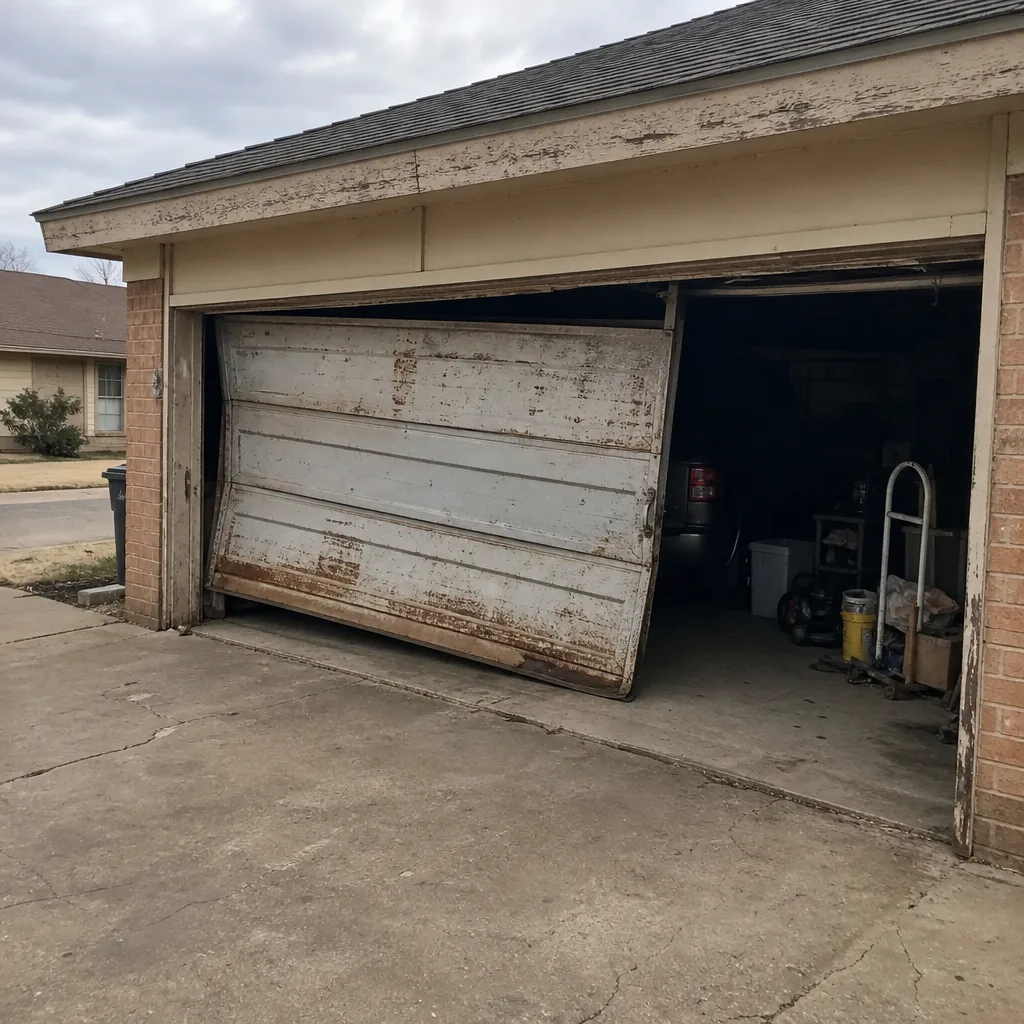 Before
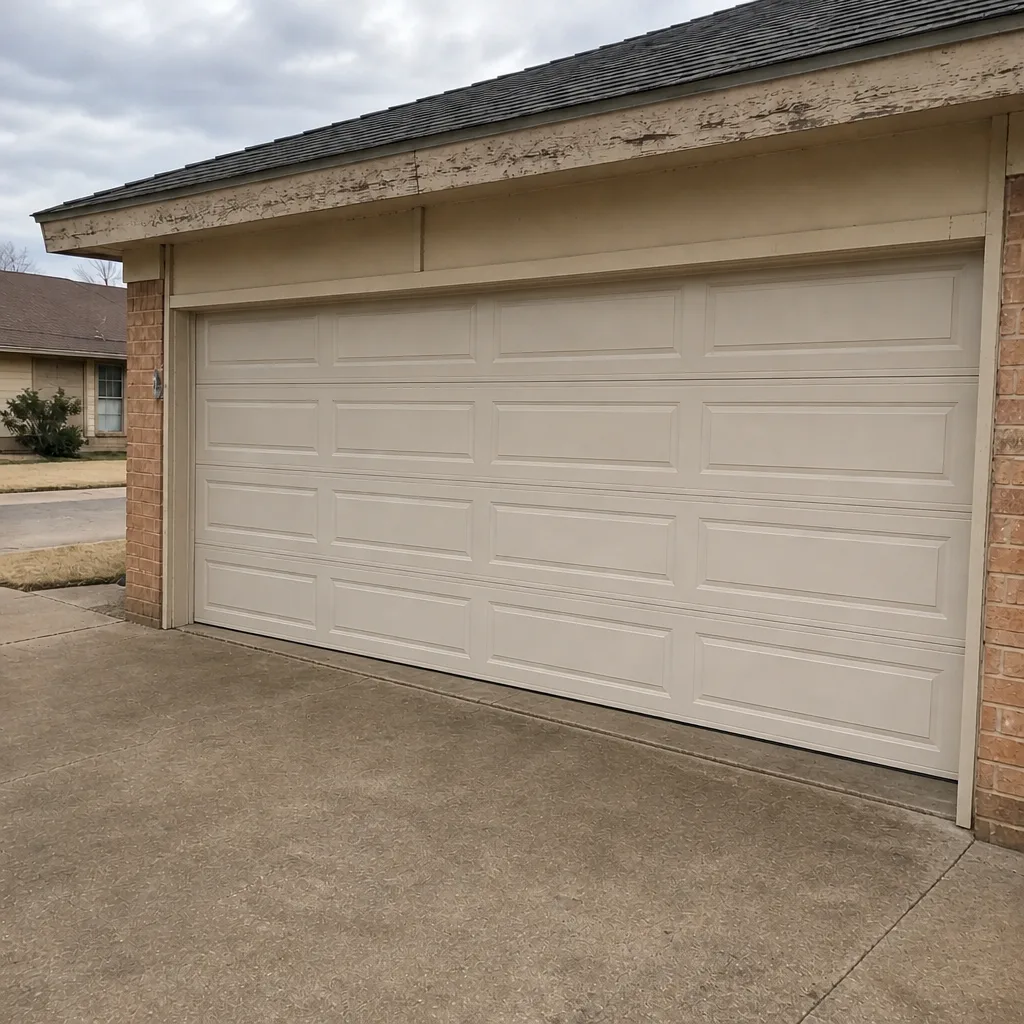 After
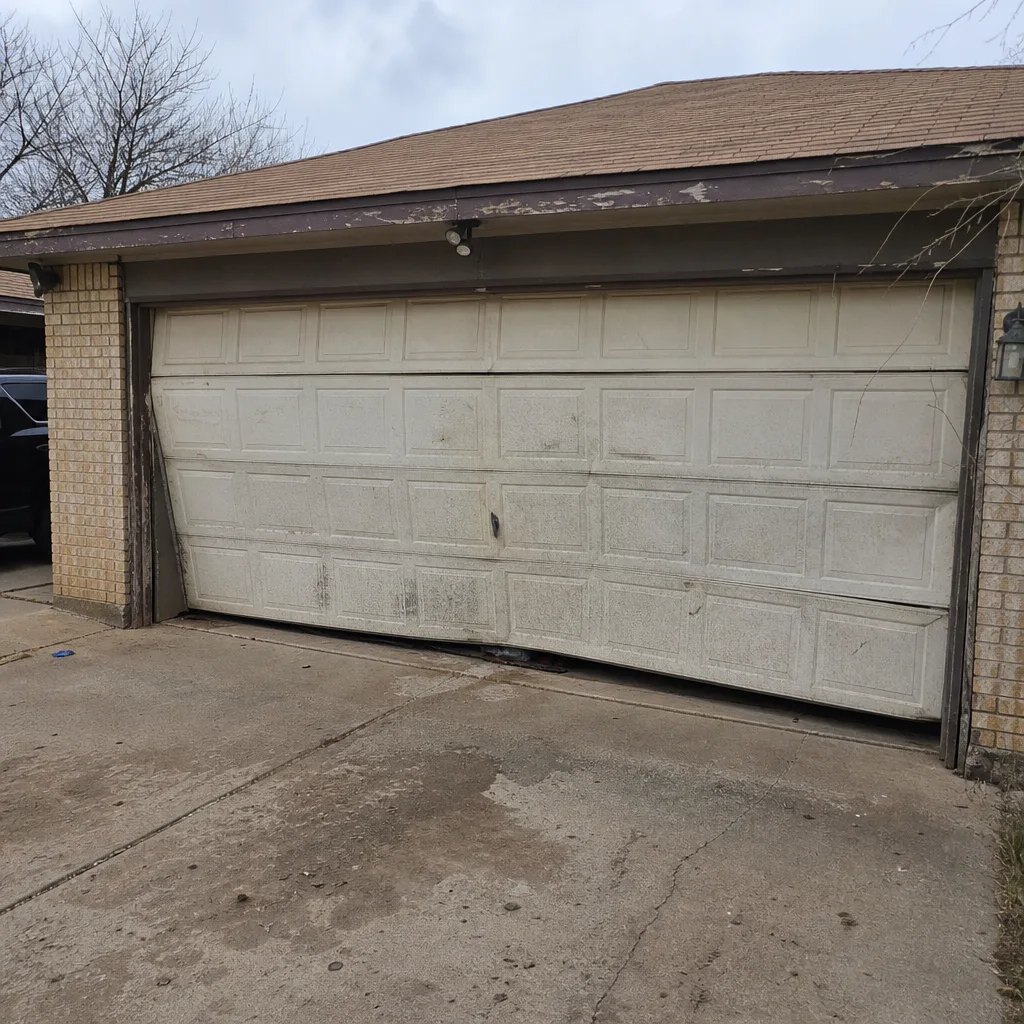 Before
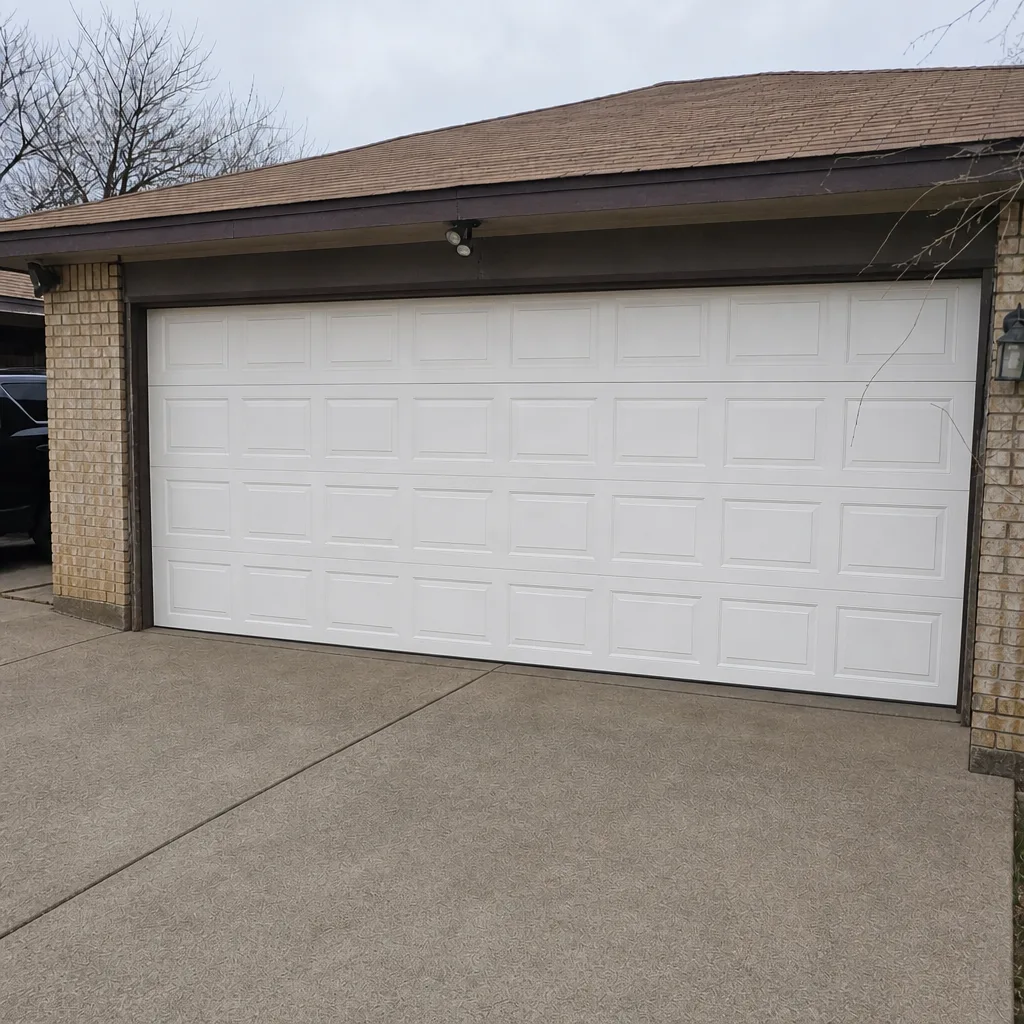 After
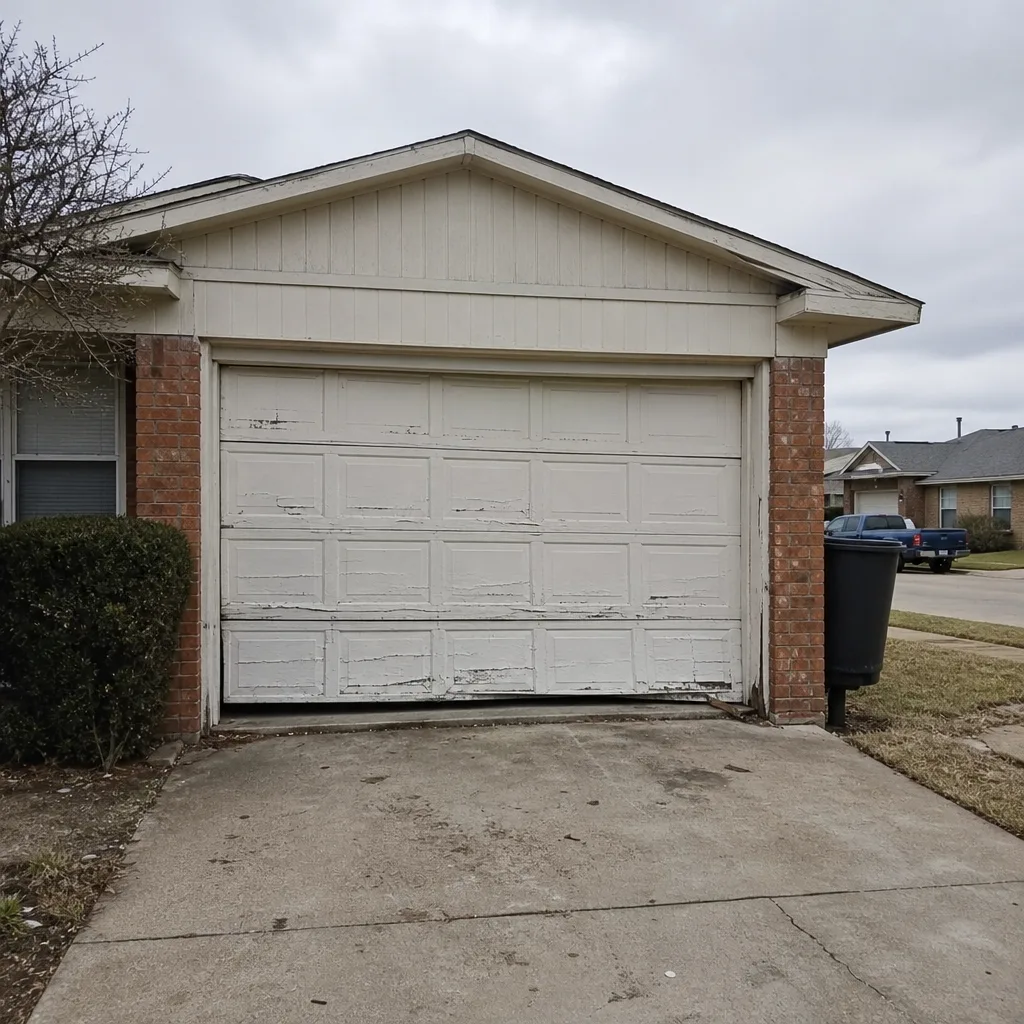 Before
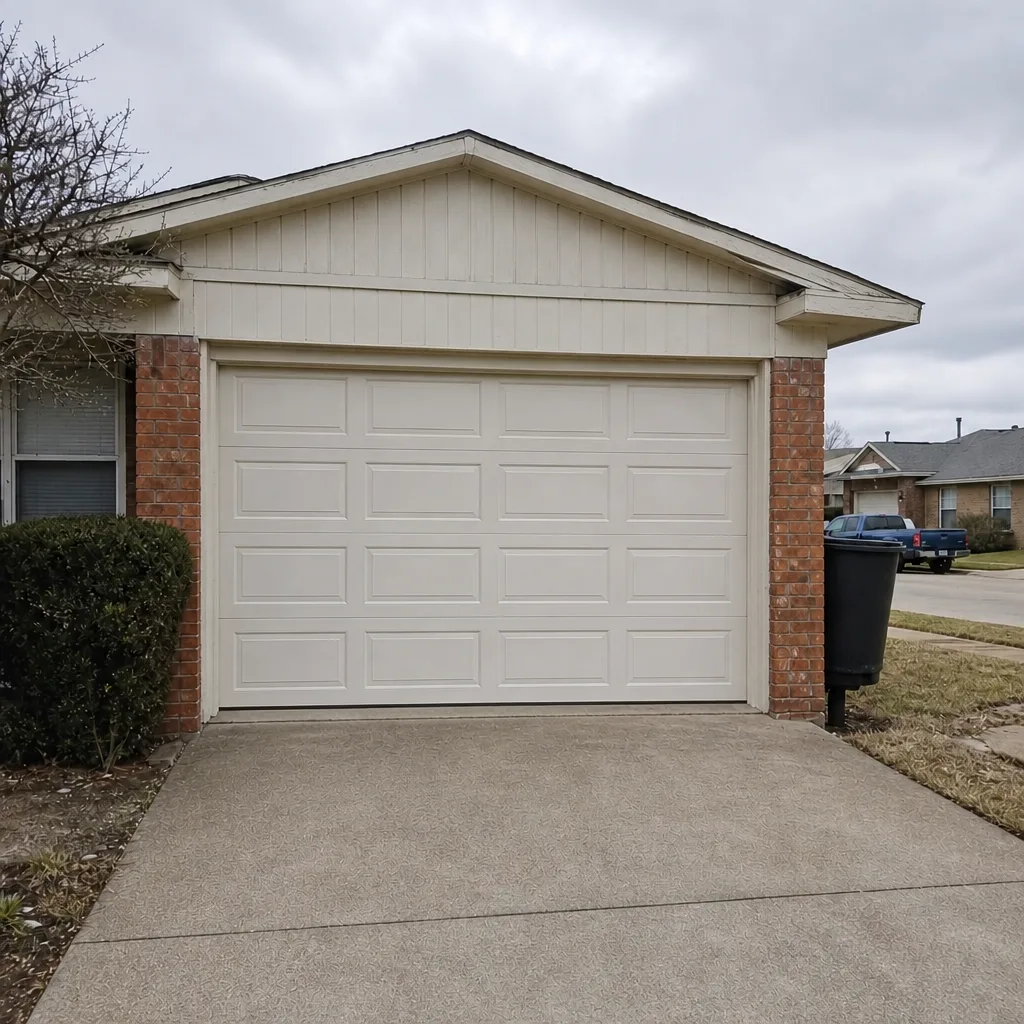 After
When to Call a Professional
A few situations always warrant a call rather than a Saturday project. A broken spring, a frayed or off-drum cable, a door that’s come off its track, and a door that sags visibly on one side are the top four. Any of them can cause injury if handled without the right tools, and none of them get better by waiting. A second tier of problems is safe to investigate but worth professional eyes if they persist after basic maintenance: recurring squeals, a growing gap under the weather seal, a remote that’s stopped reaching from the driveway, and an opener that stops short of fully closing. We’re a dedicated garage door company – not a general contractor adding garage doors to a longer list – so every job we take is a garage door job. Odessa Garage Door Service offers free estimates in Odessa, and the price is written and agreed before any work starts. Call (844) 765-2569. We answer 24/7. Fast dispatch from 7am to 7pm, Sunday through Friday.
Frequently Asked Questions
The first reliable sign is a door that’s become noticeably heavier on the manual lift test, even while it still operates normally. That’s followed by a visible gap in the torsion coil, or a spring that no longer hangs in a straight line. A bang followed by a door that won’t open means the spring has already snapped. If you’ve noticed any of these signs in Odessa, call (844) 765-2569 for a free estimate – the price is set before any work starts.
You can for a short while, but grinding rarely fixes itself. If the grinding is at the opener head, the internal gears are wearing, and they’ll eventually strip. If it’s along the track, a roller or bearing is failing. Use the door sparingly while you book service, and don’t run it if the grind is followed by a lurch or if the door goes crooked. Call (844) 765-2569 to get it looked at – estimates are free.
Most garage door repairs in Odessa fall into a wide range depending on the part – a roller replacement is a small job, a spring replacement is a larger one, and a full track realignment sits somewhere in between. The exact range for your door depends on the part, the make, and the access, which is why we quote per job rather than by price sheet. What we can promise is that every quote is written and agreed before we start work. Call (844) 765-2569 for an exact quote – estimates are free.
No – the written estimate is the price. If the diagnosis turns up something genuinely different from what we expected, we’ll tell you and re-quote before touching the door. We don’t add charges after the fact. Call (844) 765-2569 for a free estimate.
A bang from the center of the door is nearly always a torsion spring breaking. Stop using the door and don’t try to lift it manually – a door with a broken spring is extremely heavy and can come down fast. Call (844) 765-2569 and describe what you heard. We answer 24/7 and can book the repair into the next opening.
Yes – the independent local professionals we connect you with are licensed and insured for garage door work. We’re also a dedicated garage door specialist, which matters when the problem is on a spring or a cable. Call (844) 765-2569 to schedule a free estimate.
The most common garage door and opener brands on homes in Odessa are Clopay, Amarr, Wayne Dalton, and Raynor for doors, and LiftMaster, Chamberlain, Genie, and older Craftsman for openers. We’re certified to service all eight, so you don’t have to shop for a technician who happens to work on your specific make. Call (844) 765-2569 and tell us what you see on the label.
The Bottom Line
Garage doors don’t fail silently. They squeal, grind, lurch, sag, and crack first, and every one of those signs points to a specific part. Get in the habit of running the manual lift test twice a year, listen to the door on the way up and down, and look at the springs, cables, and weather seal with an eye for visible wear. In Odessa, add a weatherstripping check each spring and a wipe-down of the tracks when the dust is thick. If you notice anything on the stop-now list, stop using the door and call. If it’s on the schedule-soon list, put it on the calendar. Either way, the right fix early is a lot cheaper than the emergency fix late. When you’re ready, Odessa Garage Door Service is the number to have on hand – and if you’re new to the area, the local service page for Odessa covers everything we handle.
Get a Free Estimate
If your door is showing any of the warning signs in this guide – grinding, popping, a gap in the spring, a crooked lift, or a bottom seal that’s given up – the fastest way to know what you’re dealing with is to call and describe it. We answer 24/7. Fast dispatch from 7am to 7pm, Sunday through Friday. The estimate is free, and the price is written and agreed before any work starts. Call (844) 765-2569 today, tell us what you’re hearing and seeing, and we’ll tell you whether it’s a this-week fix or one you can put on the calendar. From opener glitch to full replacement, garage doors are all we do.
Written by the team at Odessa Garage Door Service.