
Last updated November 16, 2026
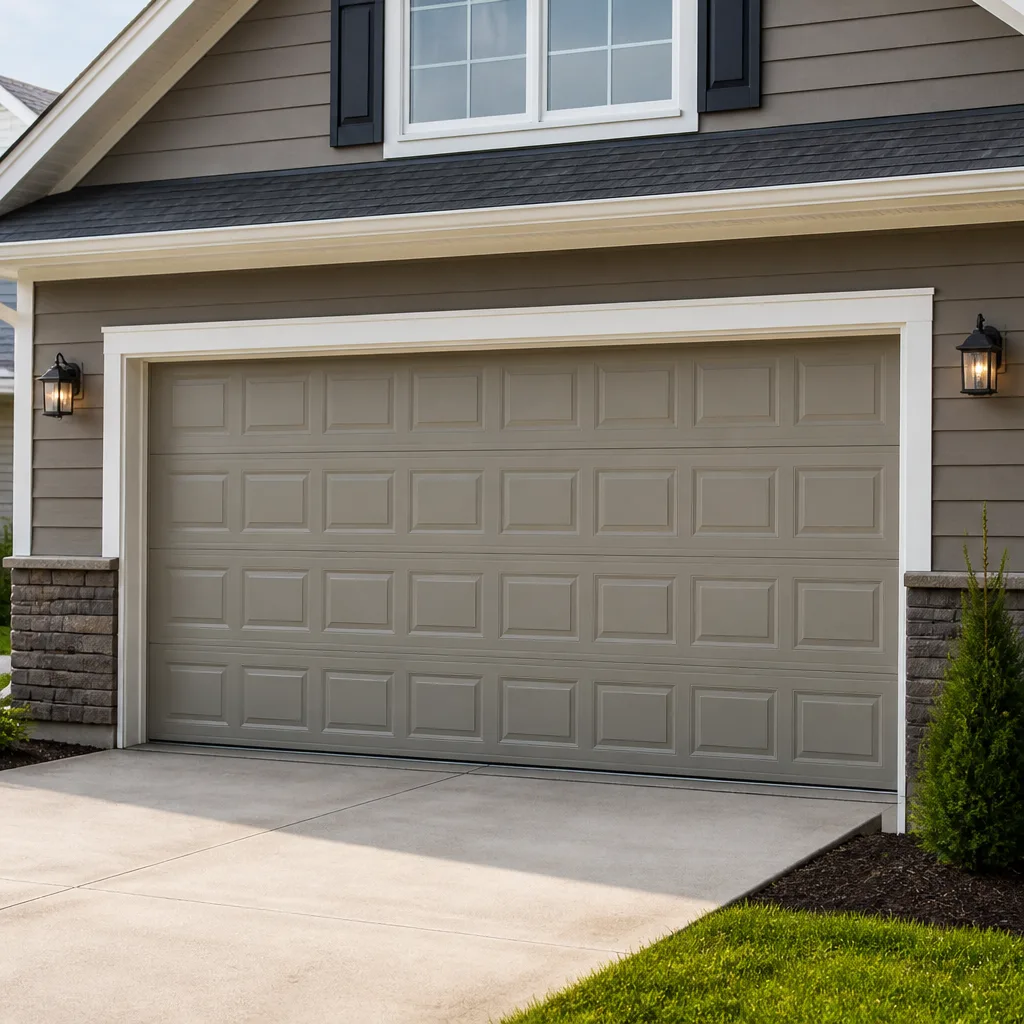 Raised-panel steel
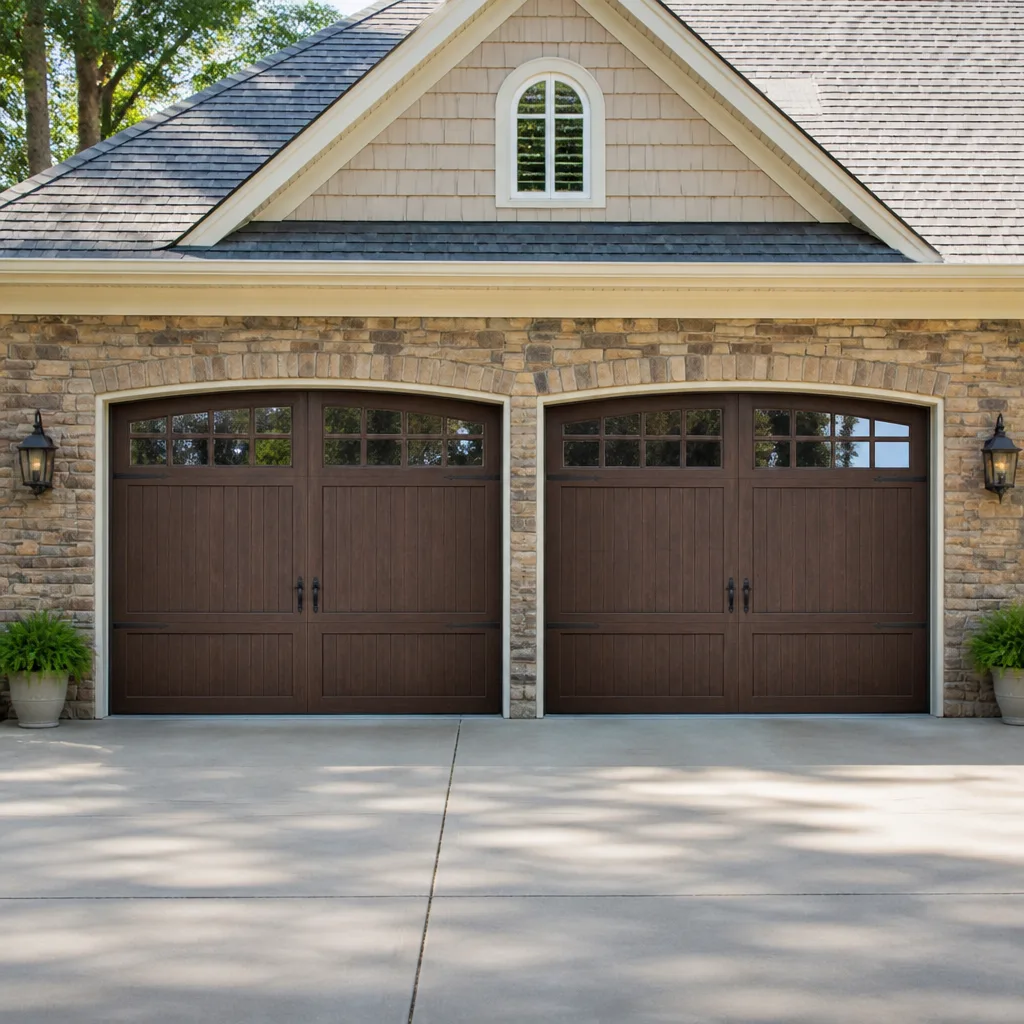 Carriage house
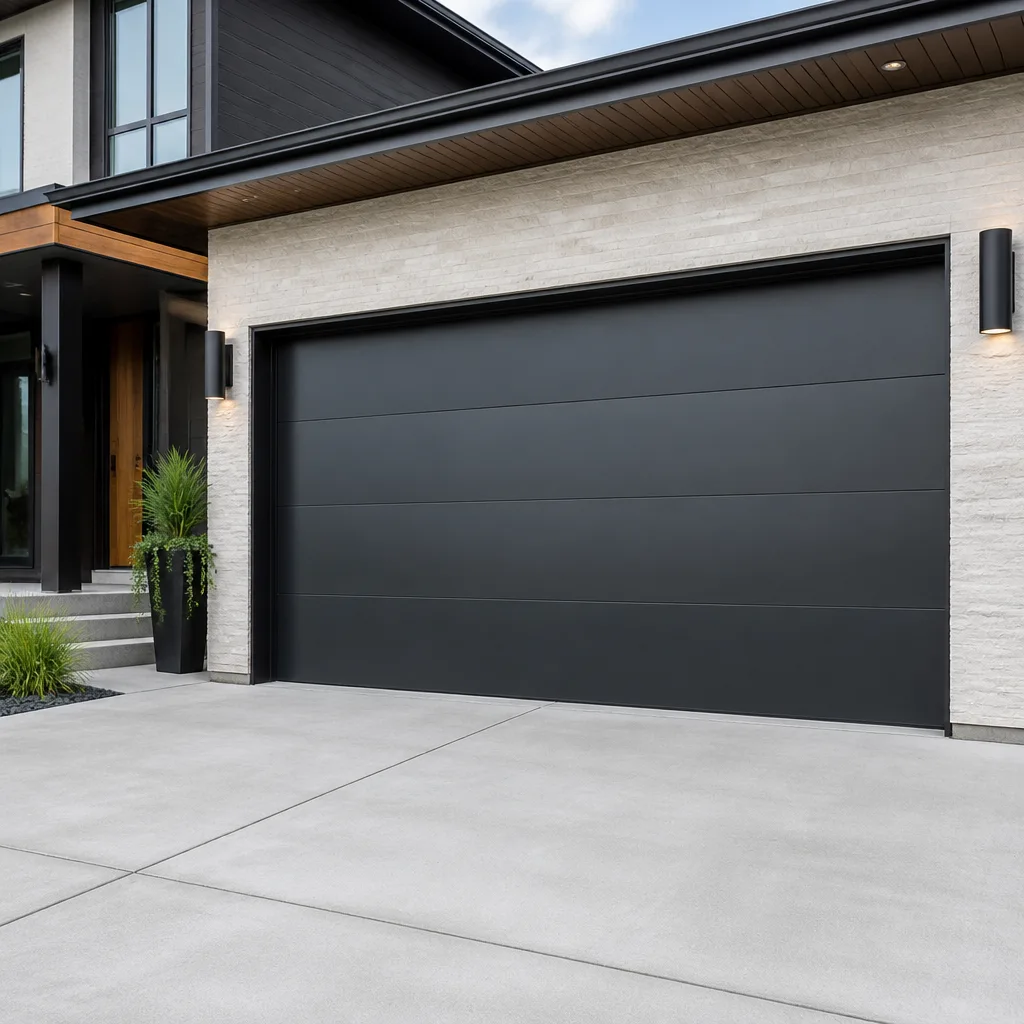 Modern flush
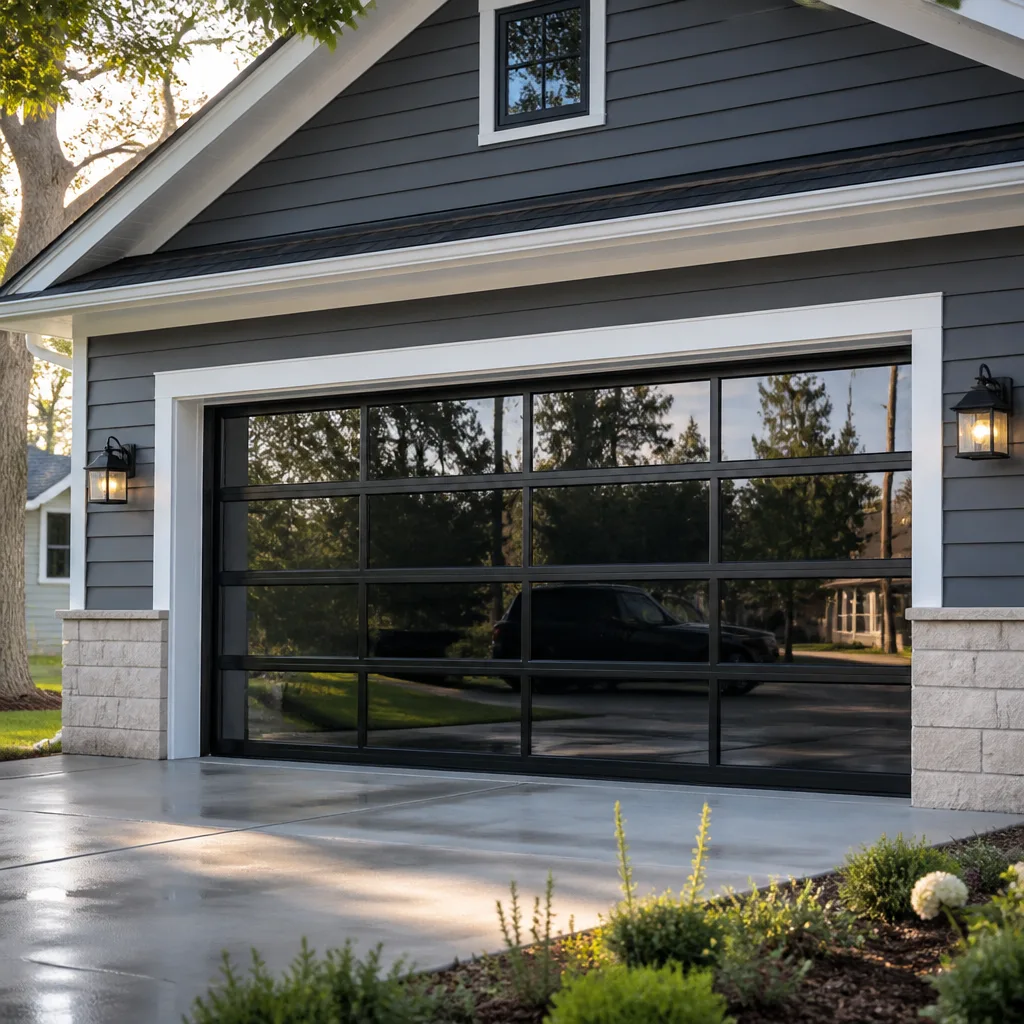 Full-view glass
 LiftMaster openers
 Chamberlain openers
Full 25-point door and opener safety check with every visit - springs, cables, rollers, tracks, and your LiftMaster or Chamberlain opener included
You get a price before we start. It does not change when the pro arrives.
Get your free estimateSeasonal Garage Door Care for Odessa: Year-Round Homeowner’s Guide
Most garage door maintenance advice assumes four tidy seasons: a spring tune-up, a summer check, a fall prep, a winter wait. Odessa doesn’t work that way. A February blue norther can drop the city from 70°F to 19°F in six hours, and the same week can bring a 90-degree afternoon and a wall of dust pushing in from the west. Your garage door lives through all of it, and the parts that fail first are rarely the ones a calendar-based checklist tells you to watch.
This guide is built around conditions, not months. You’ll learn how West Texas heat actually degrades torsion springs and opener motors, what Odessa’s intermittent hard freezes really break, how to recover from a dust storm, and which single spring task prevents most summer breakdowns. A little attention at the right moment saves you a much bigger repair later.
Quick Answer
Seasonal garage door care in Odessa works best when it’s scheduled around heat, dust, and hard freezes rather than the calendar. Check your springs, rollers, and bottom seal before summer heat peaks, clear dust from tracks and photo-eye lenses after wind events, and adjust opener sensitivity and lubrication before the first freeze. Homeowners who stay ahead of those three conditions avoid most emergency calls.
Styles & brands we work with
- Raised-panel steel
- Carriage house
- Modern flush
- Full-view glass
- LiftMaster openers
- Chamberlain openers
Table of Contents
- Why Garage Door Care in Odessa Isn’t a Four-Season Calendar
- What Summer Heat Does to Springs, Openers, and Seals
- The Pre-Freeze Checklist: What Hard Freezes Actually Break
- Dust Storm Aftermath: Clean, Inspect, or Replace?
- The One Spring Task Most Homeowners Skip
- Adjusting Opener Sensitivity as Temperatures Change
- A Simple Monthly Walk-Around for Odessa Homes
- Your Year-Round Garage Door Calendar for West Texas
Why Garage Door Care in Odessa Isn’t a Four-Season Calendar
A garage door is a mechanical system with a narrow comfort zone. Steel expands with heat, torsion springs lose tension as metal warms, rubber seals harden and crack when they cycle through big temperature swings, and opener motors work harder when the door’s pivot points dry out. In a mild climate, those stresses arrive gradually. In Odessa, they arrive in clusters.
The city sits on the Permian Basin, where summer highs regularly climb past 100°F and winter cold fronts sweep in fast from the north. Between those extremes you get wind, dust, and stretches of dry air that pull moisture out of anything rubber or plastic. That combination means your garage door is stressed year-round, but the stresses change over days, not months.
Here’s what that means for how you think about maintenance:
- Heat matters more here than cold. A West Texas summer does more cumulative damage to springs, opener motors, and seals than a short cold snap does. Spring maintenance should be timed before the heat peaks, not after.
- Cold arrives abruptly. Odessa freezes usually come as short, sharp events rather than long cold seasons. The damage from an unseasoned freeze comes from a part that was already worn and never checked.
- Wind and dust are a third stressor. Dust storms coat tracks, invade the opener housing, and put grit into rollers and hinges. That grit accelerates wear all year.
At Odessa Garage Door Service, we see the consequences of this pattern every shift: doors that ran fine through a mild spring suddenly bind in July, and doors that survived the last two winters fail on the third hard freeze because a hardened bottom seal was never replaced. The fix isn’t more work. It’s watching the right parts at the right time.
What Summer Heat Does to Springs, Openers, and Seals
Heat is the single biggest driver of garage door wear in Odessa. Three components absorb most of the damage: torsion springs, the opener motor, and the bottom seal. Understanding how each one responds to sustained heat helps you catch trouble before it turns into a breakdown.
Torsion Springs Lose Tension as Metal Warms
A torsion spring is essentially a coiled steel spring that stores energy to counterbalance the door’s weight. Steel’s physical properties shift as temperature rises, and a spring that was correctly set in cool weather can feel different in a garage that bakes at 110°F. The effect is a gradual loss of lift assist: the door feels heavier, the opener strains, and the door may hesitate or drift down partway. In a garage that swings 60 degrees across the year, a spring that started near the edge of its adjustment range can drift out of tolerance by midsummer.
The hotter problem is fatigue. Every up-and-down cycle flexes the spring, and heat accelerates the wear pattern. Springs have a finite cycle life, and in a hot garage they use it up faster. A torsion spring that fails under load can release stored energy violently, so if you hear a sharp bang from the garage or see the door hanging crooked with a slack lift cable, stop using the door and call a trained professional. Spring replacement is not a homeowner job, and we’d rather tell you that plainly than have you get hurt.
Opener Motors Work Harder and Run Hotter
An opener motor in a hot garage is already at a disadvantage, because the same heat that warms the room also reduces the motor’s ability to shed its own operating heat. Add a door that’s slightly heavier from spring fatigue and dry pivot points, and the motor runs longer and hotter on every cycle. That’s how openers die early in Odessa. Modern platforms like LiftMaster and Chamberlain units are built for real-world duty, but no opener tolerates a binding door forever. If your opener is warm to the touch after a cycle, or the door is slow and sounds labored, the opener may be complaining about the door rather than the other way around.
Bottom Seals Crack, Harden, and Lift
The rubber bottom seal is the door’s weather line and its cushion. Summer heat hardens the rubber, and repeated sun exposure on west-facing doors leaves the seal brittle and cracked. Adhesion at the bottom edge weakens, and the seal starts to pull away in sections. An old, hardened seal isn’t just a draft problem; it also lets dust and insects in, and it changes how the door seats when it closes. Seal replacement is one of the cheapest forms of seasonal prevention in Odessa, and it’s worth doing before the heat sets in.
If a hot-weather inspection turns up worn springs or a strained opener, our garage door repair technicians can diagnose the door and the mechanism together. Door and opener problems are often the same problem, and it helps to have one trade look at both.
The Pre-Freeze Checklist: What Odessa’s Hard Freezes Actually Break
Odessa’s freezes are intermittent, which is exactly why they catch homeowners off guard. The blue norther that drops temperatures from 70°F to 19°F in hours doesn’t give your door much warning, and the parts that fail are usually ones that were already worn. Here’s where to put your attention before cold air arrives.
What Hard Freezes Actually Break
- Hardened bottom seals. A seal that survived the summer but went brittle is the most common cold-weather failure. It can crack through when the door closes on it, or it can bind and prevent a clean seal at the floor.
- Cracked weatherstripping on the sides and top. Aged rubber strips shrink and tear when cold contracts them. That gap is where you’ll feel the cold air first.
- Stiff, dry hinges and rollers. Lubricant that cooked off in summer leaves metal-on-metal contact that binds in cold weather, when everything tightens up.
- Opener limit settings that no longer match. A door that closes a hair too far in warm weather may trip the opener’s safety reverse when cold contracts the door and changes its travel slightly.
What a Freeze Usually Merely Slows Down
A cold morning may make the door creak, run slower, or feel heavier. That’s often a stiffness issue, not a failure, and it usually clears as the mechanism warms. Don’t mistake slow-and-noisy for broken, but don’t ignore it either. If the door is genuinely binding, the opener is absorbing the extra strain and the problem is still there.
Your Pre-Freeze Steps
- Inspect the bottom seal for cracks, hardening, or sections pulling away from the door. If it’s brittle, have it replaced before the cold hits.
- Look at the side and top weatherstripping for tears, shrinkage, and gaps. Replace any run that’s lost its seal.
- Lubricate hinges, rollers, and the torsion bar with a garage-door lubricant. Avoid heavy grease, which traps dust.
- Run the door through two full cycles and listen for new noises. A grinding or popping sound deserves a professional look.
- Test the safety reverse with an object on the floor, and check that the photo-eye lenses are clean and aligned.
- Look over the opener’s force and travel settings. If the door has started reversing on its own, that’s a setting issue or a worn part.
When the door won’t close on a cold morning and running the steps above doesn’t settle it, a diagnostic visit is cheaper than guessing. We answer 24/7. Fast dispatch from 7am to 7pm, Sunday through Friday.
Dust Storm Aftermath: Clean, Inspect, or Replace?
Dust is a permanent feature of living in Odessa, and it settles into every part of a garage door system. After a wind event, the instinct is to hose everything down and call it done. In practice, some things just need cleaning, some need inspecting with a trained eye, and a few need replacing because dust accelerates wear that was already underway.
Clean: What Just Looks Dirty
- Tracks. Wipe down the inside of the tracks with a dry cloth. Don’t lubricate the track itself; you want the rollers to roll on clean metal, not slide on grease.
- Door panels and hinges. A damp cloth takes dust off the faces and hinge surfaces. Dry everything afterward.
- Photo-eye lenses. Dust on the safety sensors is one of the most common causes of an opener that refuses to close. A soft cloth fixes it in seconds.
- The opener housing exterior and the wall button. Dust on the housing doesn’t stop the motor, but it can get pulled in over time.
Inspect: What Needs a Trained Eye
- Rollers. Grit works into roller bearings and accelerates wear. Gritty or wobbly rollers are worth replacing, and an experienced technician can tell the difference between normal wear and a roller about to fail.
- The torsion spring and cables. Dust itself doesn’t break springs, but it can hide the early signs of fatigue (surface wear, loose coils, a sag). Inspect for changes, not just dirt.
- Hinges and pivot points. If lubrication has been stripped and grit has moved in, the joint will bind. That’s a lubrication and inspection step, not a cleaning step.
- Opener internals. If the housing has been pulled apart by dust for years, a technician can tell whether the gears and sprocket are near the end of their life.
Replace: What Dust Finishes Off
Dust accelerates wear but doesn’t invent it. A bottom seal that was already hardening is the part to replace after a windy week. A set of rollers that have been noisy since spring are a replace. A lift cable with any fraying or kink is a replace, full stop. When in doubt, a repair call is cheaper than waiting for a spring to fail with the door half-open.
The One Spring Task Most Homeowners Skip
If we could give Odessa homeowners only one piece of advice, it would be this: check the bottom seal and the spring balance together in early spring, before the first 95-degree week. The spring is where most people’s attention goes because it’s the part that breaks dramatically. The seal is what most people skip. And it’s often the seal that quietly sends a door out of balance and puts the whole mechanism under strain.
Why This One Check Prevents So Many Summer Calls
The bottom seal is the door’s main contact point with the floor. When it’s intact, the door seals cleanly and the opener’s force settings do their job in a normal range. When the seal hardens, cracks, and pulls away, the door doesn’t seat the same way, the opener has to push or pull against a different load, and the safety reverse mechanism can trigger unpredictably. Over a summer, a homeowner with a stiff seal adjusts the force setting to compensate, and then the force setting is wrong for every other condition. The door starts to hesitate, reverse, or bind, and the eventual call is about the opener, not the seal that caused it.
How to Check It Without Getting Hurt
You can inspect the seal from the outside with the door down: look for cracking, gaps at the floor, and sections where the rubber has pulled away from the door frame. You can check the spring balance by disconnecting the opener (using the manual release only with the door fully down and clear) and lifting the door to about waist height. A balanced door stays in place. A door that falls or feels very heavy means the springs need a professional look. Do not adjust torsion springs yourself; they carry enough stored energy to cause serious injury, and a trained technician has the proper winding bars and the experience to do it safely.
When the seal is worn and the spring is drifting, it’s worth booking a full inspection. Our Odessa technicians look at the seal, spring balance, rollers, and opener as one system, because that’s how they fail.
Adjusting Opener Sensitivity as Temperatures Change
One of the simplest seasonal fixes in Odessa is also one of the most useful: adjusting your opener’s sensitivity and travel settings as the door’s behavior changes with temperature. If the door won’t close, reverses on its own, or stops halfway up, an adjustment is often the whole fix. But it’s a fix that has to be done correctly, because the sensitivity setting is also the safety reverse.
What the Setting Does
Every garage door opener has a force or sensitivity setting and a travel limit. The force setting governs how much resistance the opener will push through before it reverses; the travel limit sets how far the door opens and closes. As the door expands and contracts through the season, and as seals and hinges stiffen or loosen, the sweet spot shifts. A door that closed perfectly in April can sense a bit more resistance in July and reverse partway, because the opener reads the extra resistance as an obstacle.
What to Watch For
- The door reverses before touching the floor.
- The door stops partway up, or stops partway down.
- The door closes fully but the opener keeps running briefly.
- The door reverses on contact with a light object, or fails to reverse at all.
Any of those justify checking the opener’s settings. Different brands do this differently (a LiftMaster or Chamberlain wall control is not the same process as a Craftsman or Raynor), which is one reason it helps to know the door and opener you have before you start. Our technicians are certified to service eight major garage door and opener brands, so we can walk you through the setting for your equipment or set it correctly on a visit.
Why Not Just Turn the Force Up
Cranking the force setting up will usually make a binding door close. But it also means the opener pushes harder before it reverses, which is exactly the safety feature that stops the door on a child or a pet. A force setting that’s too high is a safety problem, not a convenience. If you find yourself adjusting the force every month, the door has a mechanical issue and the opener is reporting it. That’s the right time to book a real diagnosis, and our garage door opener repair team can confirm whether the issue is the opener, the door, or both.
A Simple Monthly Walk-Around for Odessa Homes
You don’t need a full toolkit to catch problems early. A monthly two-minute walk-around catches most of the wear that leads to a breakdown in a West Texas garage. Do this the same time every month, and you’ll get to know how your door normally sounds and feels.
- Run the door once with the opener and once by hand. Note how it sounds and whether it hesitates or binds.
- Look at the bottom seal. Check for cracking, gaps, and sections pulling away from the door. Run a hand along the rubber and feel for hardening.
- Wipe the photo-eye lenses. They collect dust fast in Odessa, and clean lenses prevent most of the phantom “won’t close” complaints.
- Look at the tracks. A dry cloth on the inside of the tracks removes grit before it works into the rollers. Don’t grease the tracks.
- Lubricate hinges, rollers, and the torsion bar. Use a garage-door lubricant, not heavy grease, and keep dust out of the joints as best you can.
- Test the safety reverse. Place a flat object on the floor and run the door down; it should reverse. If it doesn’t, stop using the power opener until a professional checks it.
- Listen to the opener. Grinding, popping, or a motor that sounds labored after the door has closed suggests a problem worth a call.
Those seven steps take a few minutes and prevent a lot of trouble. The goal isn’t to become a technician; it’s to notice a change before it turns into a breakdown.
Your Year-Round Garage Door Calendar for West Texas
Here’s how the conditions-driven approach lays out across the year. The dates matter less than the order, because Odessa’s weather rarely obeys a calendar.
Before the Heat Peaks
This is the most important window. Inspect the bottom seal and side weatherstripping for hardening and cracks. Check the spring balance by hand with the door down and the opener released. Lubricate hinges, rollers, and the torsion bar. Have any worn rollers replaced. If the door is heavy or the spring looks worn, book a professional inspection. This is the best window to catch what summer will otherwise break.
Through the Summer
Watch for the early signs of heat fatigue: a door that gets louder, a motor that runs longer, an opener that reverses unexpectedly. Clean dust from the tracks after any significant wind event. Keep the photo-eye lenses clean. Check the force setting only as a symptom, not a solution. If you adjusted it more than once this season, book a call.
Before the First Freeze
Inspect the bottom seal and weatherstripping again after summer. The seal that was fine in May may be brittle by November. Lubricate hinges and rollers again, since summer heat burns off lubricant. Check travel limits so the door doesn’t over-travel when cold contracts it. Test the safety reverse. Don’t wait for the blue norther to test the door.
After a Dust Storm
Wipe the tracks, clean the photo-eye lenses, and inspect the rollers for grit. Check the exterior of the opener housing. Listen to the door. The noise after a dust storm tells you whether dust is in the moving parts or just on the surfaces.
Any Time the Door Starts Acting Different
Every mechanical system talks to you before it fails. A door that doesn’t sound right this week won’t sound better next month. Our repair team can diagnose the problem and agree the price with you before any work starts.
Common Mistakes to Avoid
- Treating maintenance as a spring-only job. Odessa’s conditions don’t cooperate with a once-a-year checklist. The seal that needs checking before summer is a different seal than the one to check before a freeze, and the dust events in between need their own response.
- Greasing the tracks. It seems counterintuitive, but a track should run dry. Grease traps dust and grit, and those turn your rollers into a slow-motion grinding problem.
- Turning the opener force up every time the door binds. A binding door is telling you something mechanical is wrong. Cranking the force hides the problem and overrides the safety reverse in the process.
- Adjusting the torsion spring yourself. This is the one we say most often: torsion springs store substantial energy and can cause serious injury. Have a trained technician do it.
- Ignoring the bottom seal until it tears. A hardening seal is easy to miss, and it quietly throws the whole door out of balance. Check it in early spring and again before the freeze.
- Skipping the dust storm aftermath. Dust doesn’t just make the door dirty. It accelerates wear in the hinges, rollers, and opener, and it can hide a worn spring from view.
- Assuming a quiet door is a healthy door. A door that has stopped making noise has sometimes stopped being lubricated. Listen for the change rather than waiting for the failure.
See the difference
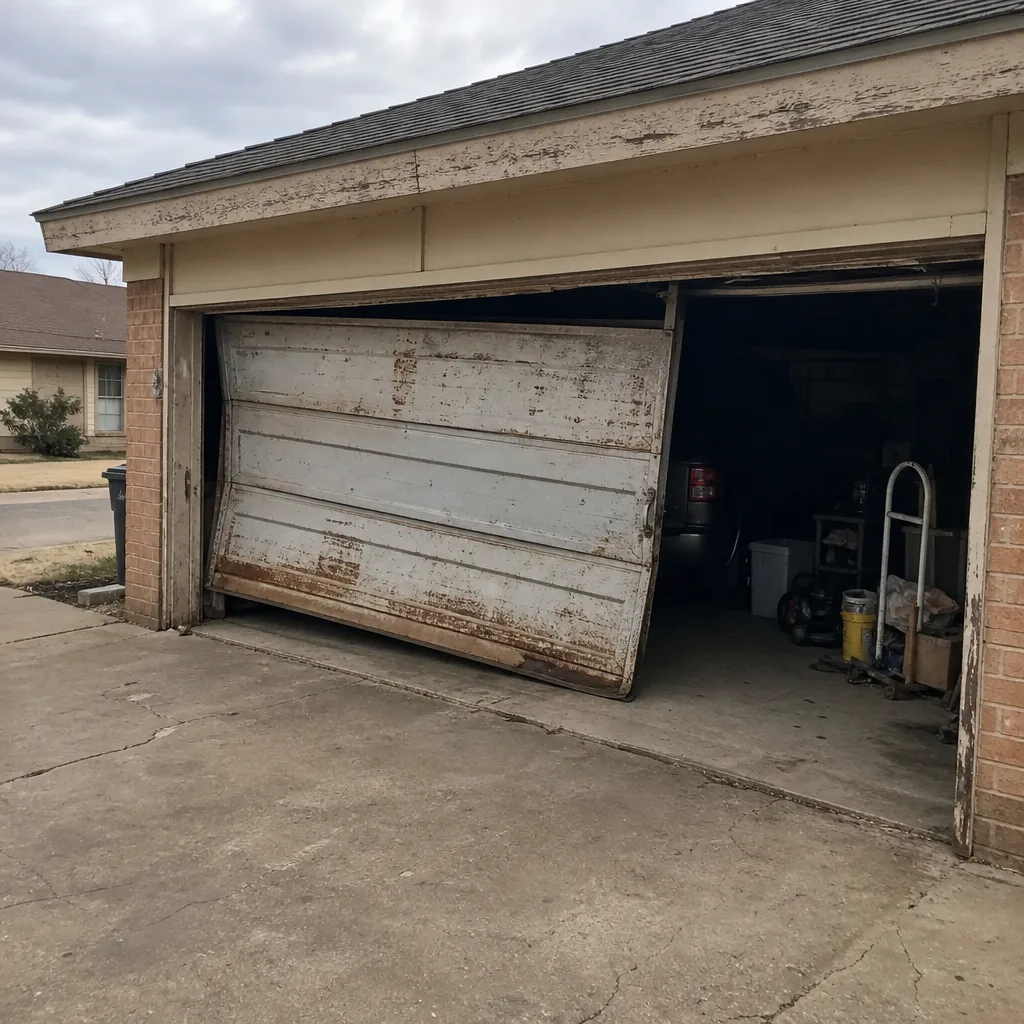 Before
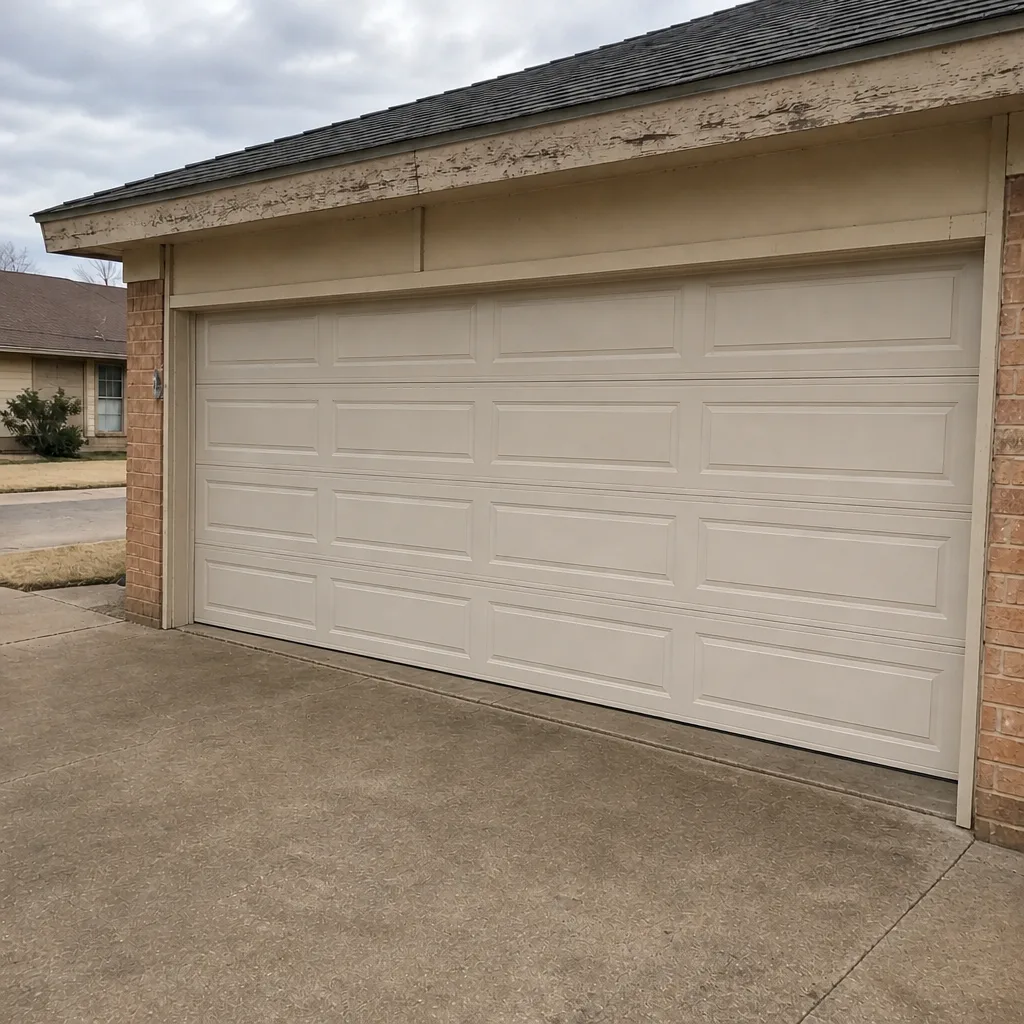 After
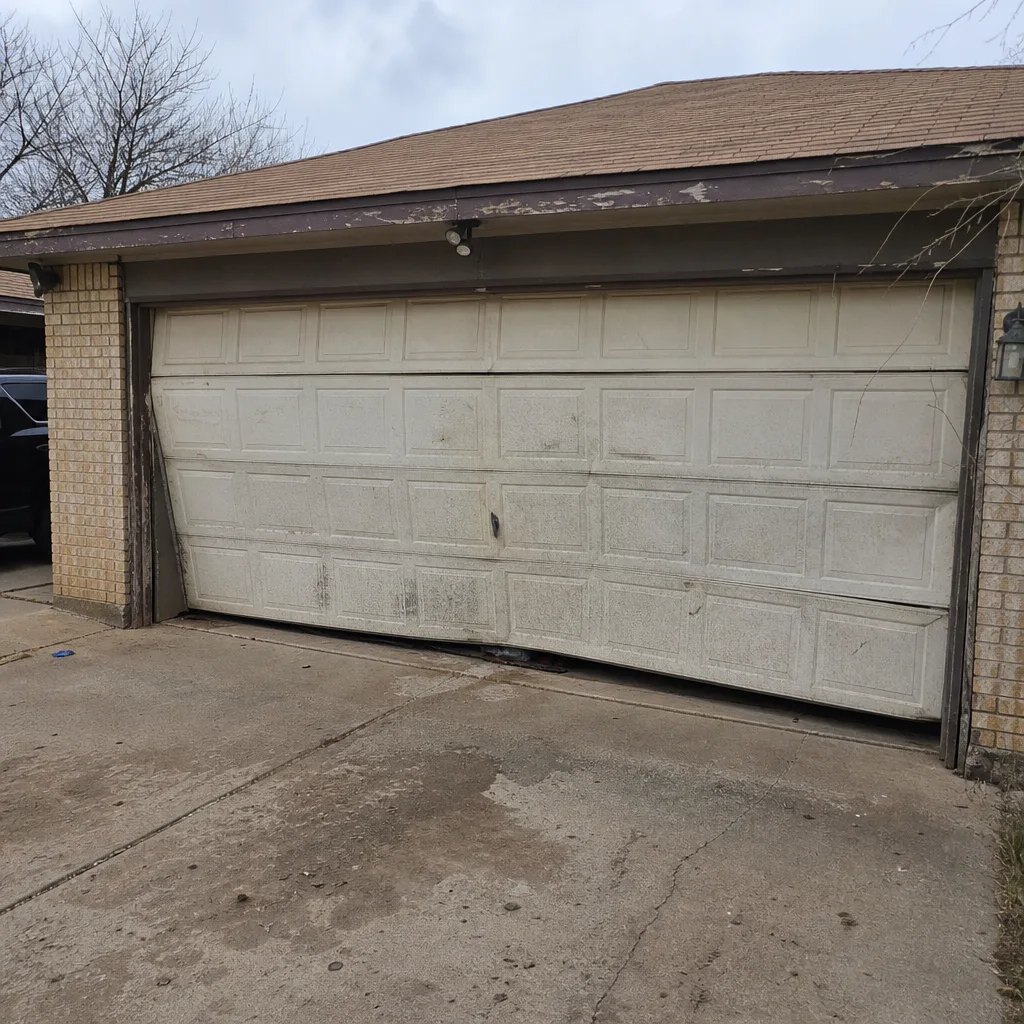 Before
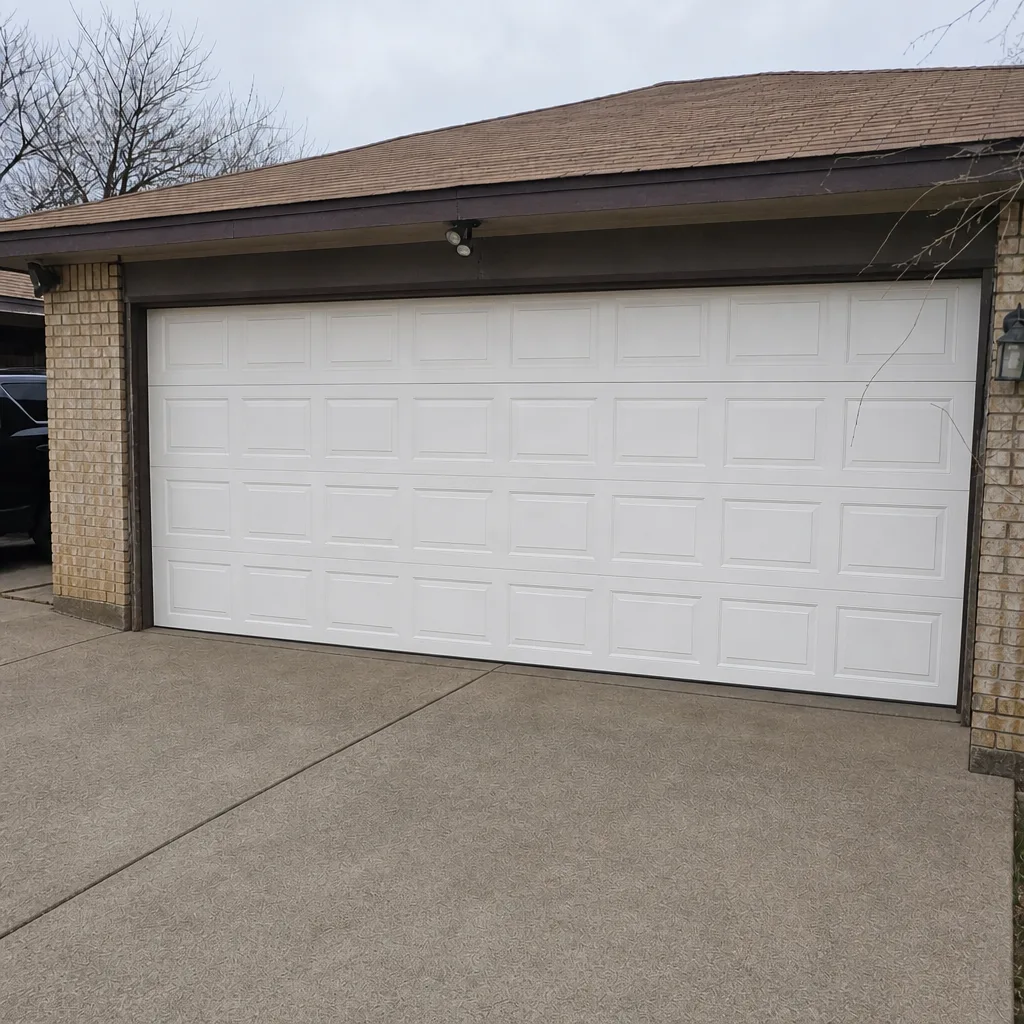 After
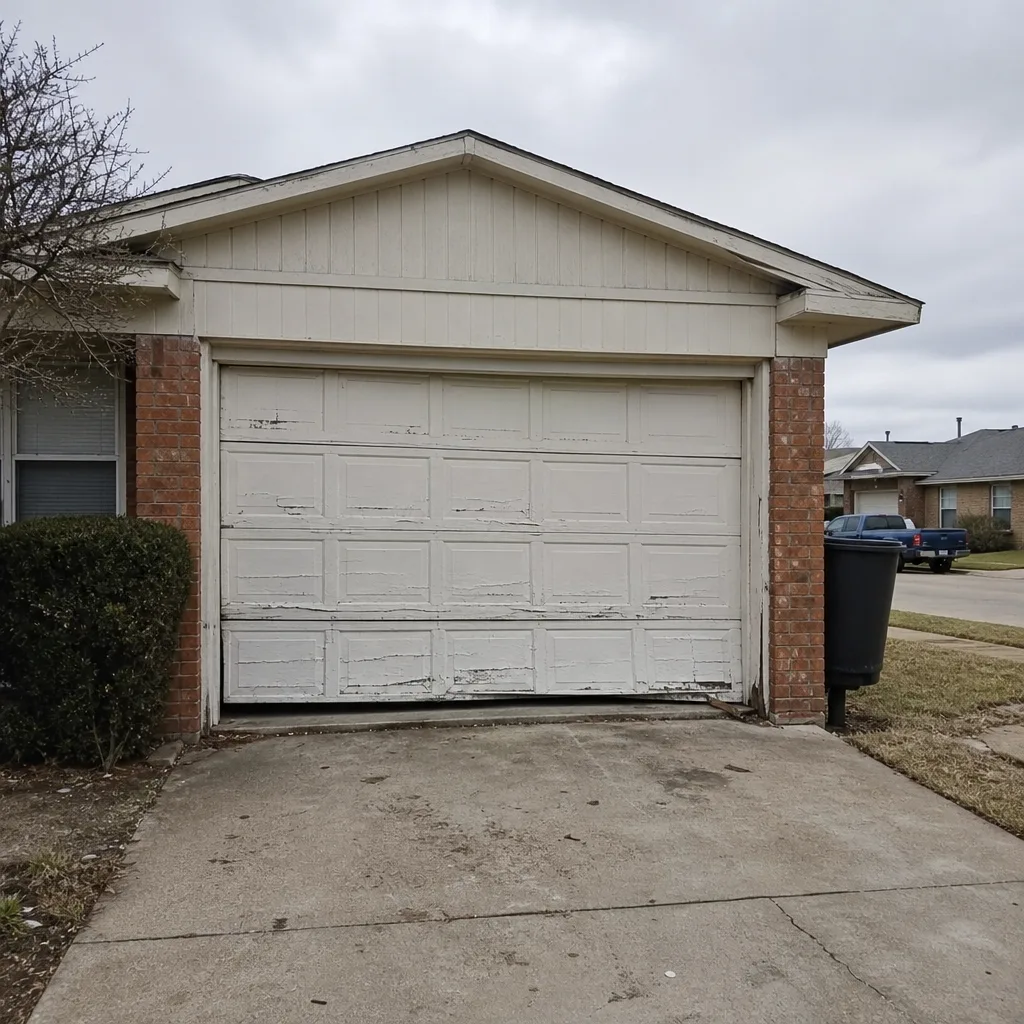 Before
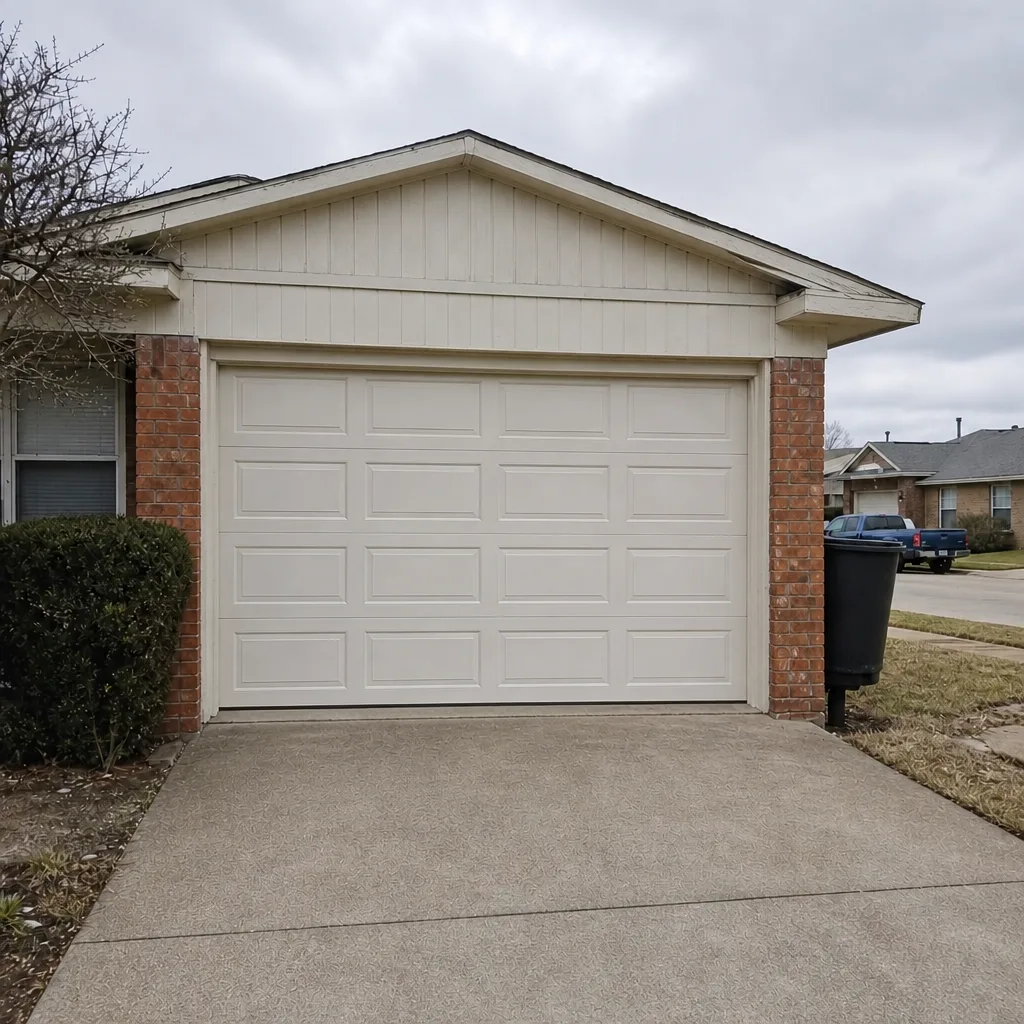 After
When to Call a Professional
Some maintenance steps belong to you. Others belong to a trained technician, and knowing the difference is what keeps you safe. Call a professional when the torsion spring looks worn, sagging, or has failed; when a lift cable is frayed or kinked; when the door is visibly crooked or hangs at an angle; when the opener reverses without a clear cause, after you’ve checked the photo eyes and the force setting; when the door binds or feels heavy on a hand test; or when a bottom seal has hardened and pulled away across a significant run of the door.
Odessa Garage Door Service offers free estimates in Odessa. Our technicians have up to 11 years of experience and are certified to service LiftMaster, Chamberlain, Genie, Clopay, Amarr, Wayne Dalton, Craftsman, and Raynor equipment, so whatever door and opener you own, we work on your brand. Garage doors are all we do. Call (844) 765-2569. We answer 24/7. Fast dispatch from 7am to 7pm, Sunday through Friday.
Frequently Asked Questions
Once a year is the baseline, but in Odessa the useful rhythm is condition-based: a check before the summer heat peaks, another before the first freeze, and a quick inspection after each major dust storm. Homes with older doors, single-spring setups, or a door facing the afternoon sun benefit most from that extra attention. Call (844) 765-2569 for a free estimate on a full inspection.
Heat warms the torsion spring and the door itself, and a spring that was correctly adjusted in cooler weather can drift out of tolerance as the temperature climbs. The door feels heavier, the opener strains, and the mechanism gets harder to balance. If the door feels noticeably heavy by hand, stop using the opener until a technician checks it. Call (844) 765-2569 for a diagnosis.
Check the bottom seal for hardening and cracks, inspect the side and top weatherstripping for tears, lubricate the hinges and rollers, check the opener’s travel and force settings, and test the safety reverse. The freeze itself usually doesn’t break the mechanism; it exposes a part that was already worn. If the safety reverse test fails, don’t use the power opener. Call (844) 765-2569 for a free estimate.
Dust accelerated wear more than it causes sudden damage. It works into the rollers, tracks, hinges, and opener housing and speeds up wear on parts that are already near the end of their life. Wipe the tracks and clean the photo-eye lenses after a wind event, and have any new noise checked. Call (844) 765-2569 with any questions.
You can, but carefully. The sensitivity or force setting is also the safety reverse, and turning it up to compensate for a binding door disables the exact feature that stops the door on a child or a pet. If you’ve adjusted the force more than once this season, have the door and opener inspected. Call (844) 765-2569 for a free estimate.
Yes. Our technicians are certified to service eight major brands, including LiftMaster, Chamberlain, Genie, Clopay, Amarr, Wayne Dalton, Craftsman, and Raynor. Whether your door is a legacy Craftsman or Wayne Dalton system or a modern smart-opener platform like LiftMaster, Chamberlain, or Genie, we work on the equipment you already own. Call (844) 765-2569 to schedule.
The Bottom Line
Seasonal garage door care in Odessa is less about following a four-season checklist and more about answering what the weather is actually doing. Heat is the biggest year-round stressor here, which is why the bottom seal and spring check before summer matters most. The pre-freeze checklist is about catching parts that summer already wore down. And the dust storm protocol is about cleaning what just looks dirty, inspecting what wear is starting, and replacing what the wind finished off. Handle those three and you’ll prevent most of the calls that start with “the door won’t close.”
If your door is telling you something this week, we can help. Call (844) 765-2569 for a free estimate, or reach out now and we’ll diagnose the door and opener together and agree the price before any work starts.
Written by the team at Odessa Garage Door Service.