
Last updated November 16, 2026
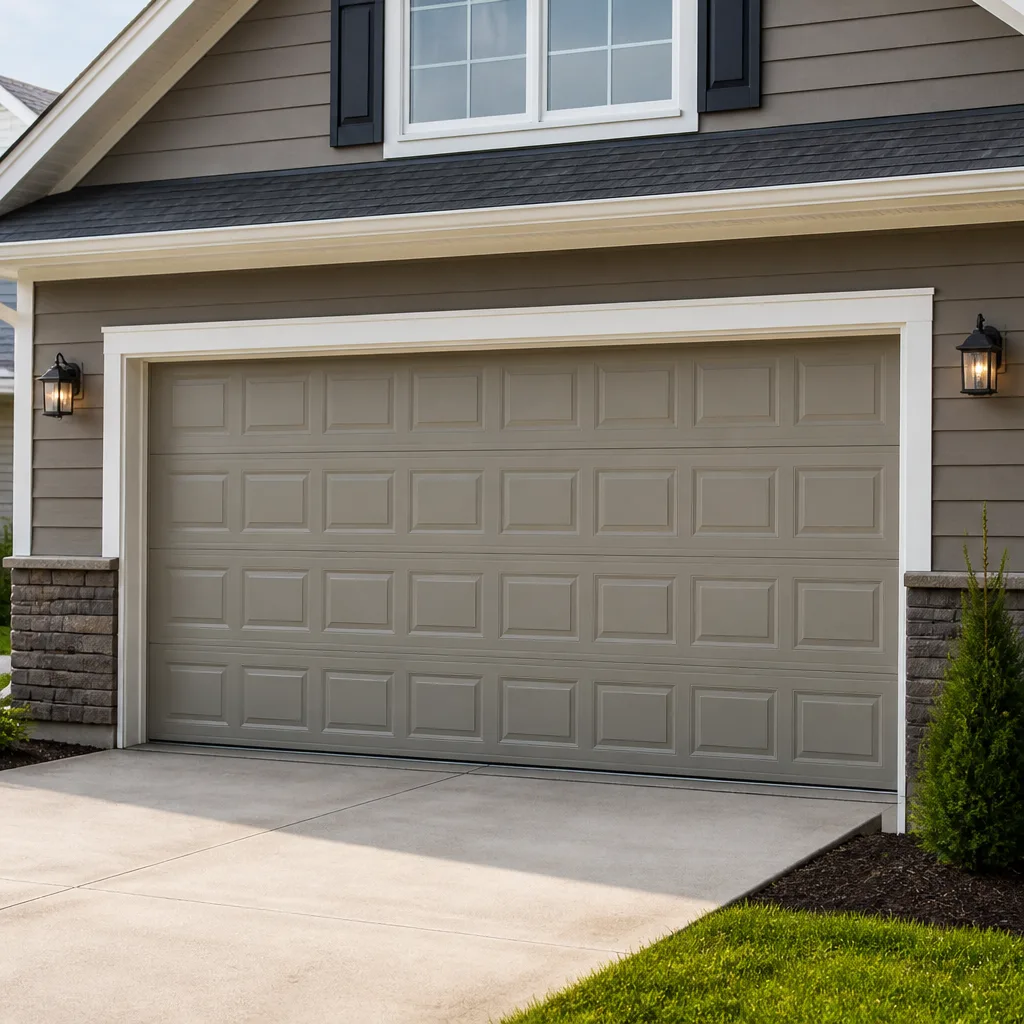 Raised-panel steel
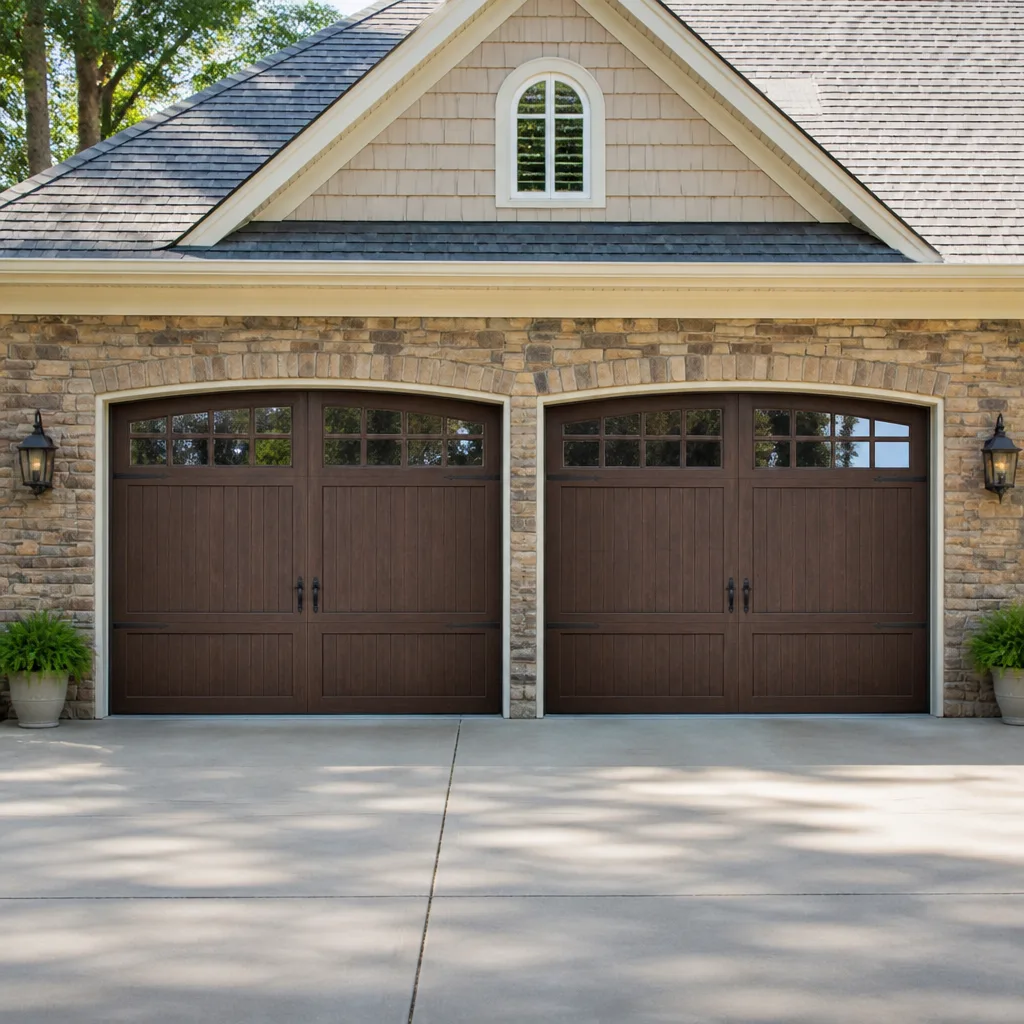 Carriage house
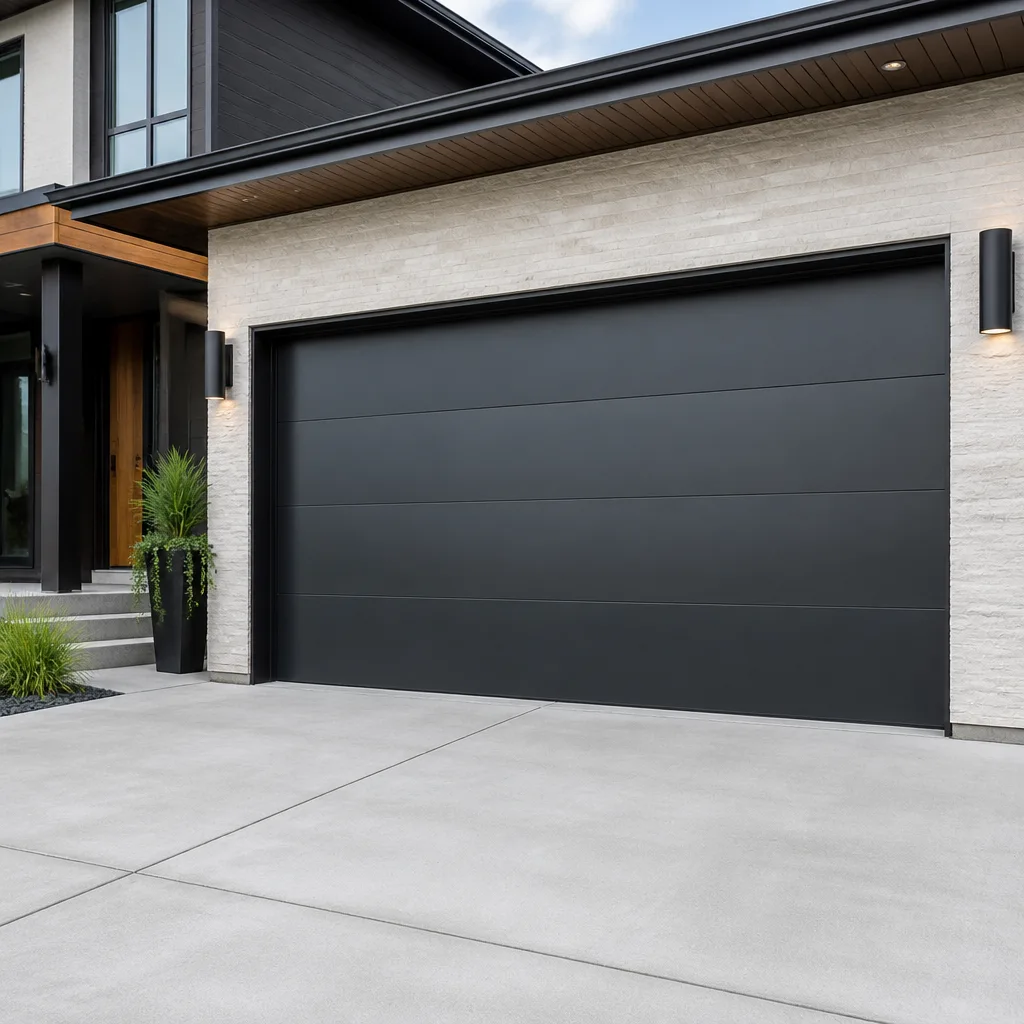 Modern flush
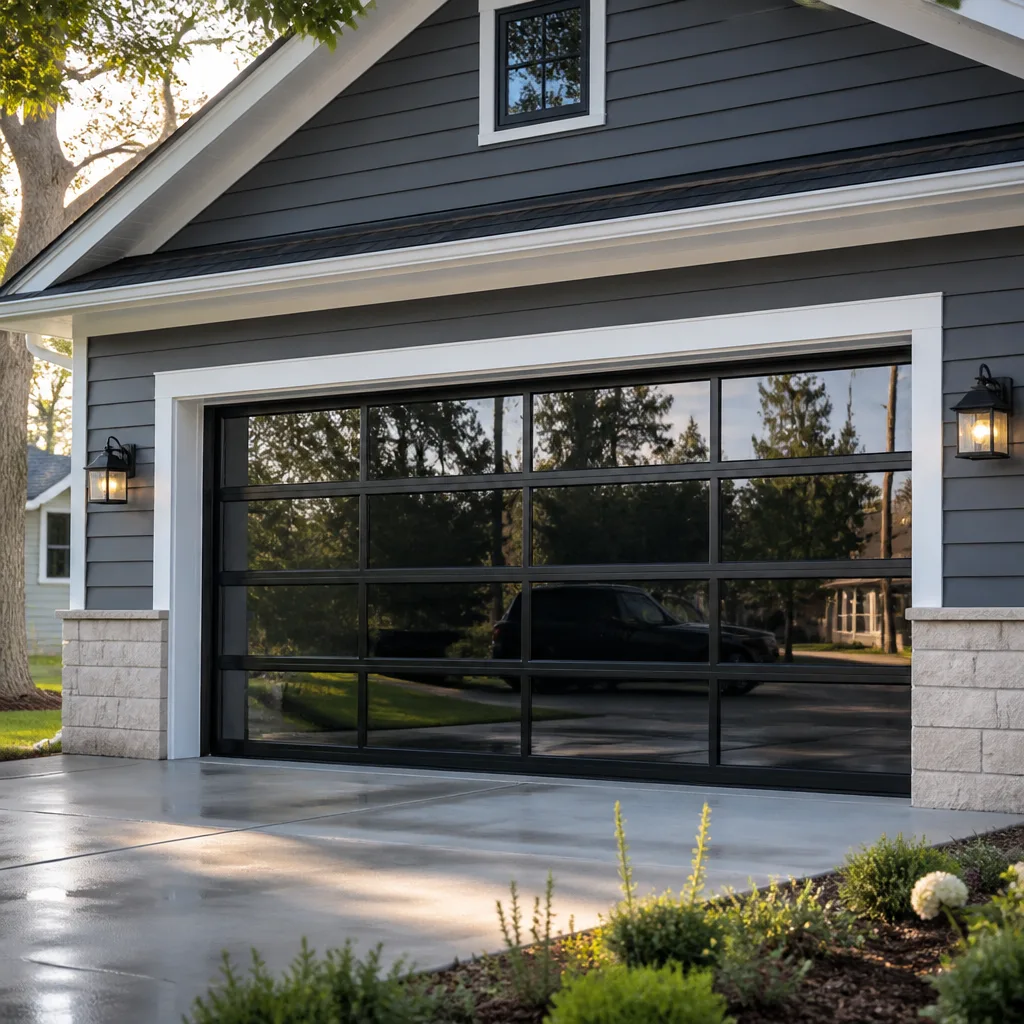 Full-view glass
 LiftMaster openers
 Chamberlain openers
Full 25-point door and opener safety check with every visit - springs, cables, rollers, tracks, and your LiftMaster or Chamberlain opener included
You get a price before we start. It does not change when the pro arrives.
Get your free estimateDIY vs Professional Garage Door: The Odessa Homeowner’s Decision Guide
Replacing a bottom weatherstrip is a 20-minute job with a screwdriver and about $20 in materials. Replacing a torsion spring is a task that causes serious injuries every year, and no tutorial video changes that. Treating those two jobs the same way – either “hire a pro for everything” or “watch a YouTube video and save money” – is bad advice, and it’s the reason so many Odessa homeowners end up worse off than when they started.
This guide draws the line clearly. You’ll learn which repairs are genuinely safe to handle yourself, which need skill but not specialized equipment, and which should never be DIY no matter how handy you are. We’ll also cover the physics behind torsion springs, what’s actually available locally in Odessa, and how to do a proper pre-inspection so a technician can help you faster.
Quick Answer
Some garage door repairs are genuinely safe for a capable homeowner: weatherstripping, lubrication, tightening loose hardware, and adjusting photo-eye sensors. Others carry real injury risk and require specialized tools and training: torsion springs, cables, and anything involving the counterbalance system. When in doubt, a free estimate costs you nothing and can save you a hospital visit or a much larger repair bill.
Styles & brands we work with
- Raised-panel steel
- Carriage house
- Modern flush
- Full-view glass
- LiftMaster openers
- Chamberlain openers
Table of Contents
- The Real Decision Framework: Risk vs. Skill
- What’s Genuinely Safe to DIY
- What Needs Skill But Not Professional Equipment
- What Should Never Be DIY
- The Physics of Torsion Springs, Explained Simply
- What Parts and Tools You Can Actually Get in Odessa
- How to Do a Legitimate DIY Pre-Inspection
- The Hidden Cost of a DIY Repair Gone Wrong
The Real Decision Framework: Risk vs. Skill
The DIY vs. professional question isn’t really about skill level. Plenty of homeowners in Odessa are mechanically capable. It’s about which specific tasks carry genuine injury risk and which don’t. A skilled carpenter who’s never touched a torsion spring is still at risk. A homeowner with modest skills can safely replace a weatherstrip. The deciding factor is the task, not the person.
Here’s how we think about it in our work. Every garage door system has three layers:
- The cosmetic and sealing layer: weatherstripping, bottom seals, trim, paint. Low risk, low skill requirement, safe for most homeowners.
- The mechanical layer: rollers, hinges, tracks, opener adjustments. Moderate risk, moderate skill. Manageable with care and the right parts.
- The counterbalance layer: torsion springs, extension springs, cables, drums, and anything under tension. High risk. No DIY.
When a homeowner calls us for garage door repair in Odessa, the first question we ask is what part of the door they’re dealing with. The answer tells us a lot about what’s likely wrong and whether the homeowner might have made something worse by trying a quick fix. That’s not a criticism – it’s just the reality of a mechanical system under constant tension.
The key point: confidence doesn’t change the physics. A torsion spring doesn’t know how much experience you have. It holds the same stored energy whether you’ve watched ten videos or zero.
What’s Genuinely Safe to DIY
These tasks are safe for most homeowners with basic tools and a reasonable amount of care. They don’t involve stored spring tension or heavy lifting, and you don’t need a trade account to get the parts.
- Replace the bottom weatherstrip. A worn bottom seal lets in dust, heat, and pests. Most weatherstrips slide or nail into a channel on the bottom of the door and can be replaced in 20-30 minutes. In Odessa’s dusty climate, a tight seal also keeps fine dirt out of your garage.
- Lubricate rollers, hinges, and tracks. A small amount of silicone-based lubricant on moving parts quiets a noisy door and reduces wear. Do it a few times a year. Avoid heavy grease, which attracts dust in this dry, windy climate.
- Tighten loose nuts and bolts. Vibration over time loosens hardware. A socket set and a few minutes will fix most rattles.
- Realign photo-eye sensors. If your door won’t close and reverses immediately, the safety sensors near the floor are often misaligned or blocked. Clean the lenses, check the alignment, and confirm the indicator lights are on.
- Replace a remote battery. A dead remote battery is one of the most common causes of “my door won’t open.” Swap the battery and re-check before assuming the opener is failing.
- Clean and inspect the tracks. Wipe down the tracks with a damp cloth and check for obvious dents or debris. Don’t force a bent track back into place – that’s a job for a technician.
None of these require a professional. If you’re comfortable on a step stool with a screwdriver, you can handle them. The money you save is real, and the work is genuinely low-risk.
What Needs Skill But Not Professional Equipment
Some jobs are within reach for a confident homeowner who has the right parts and is willing to take their time. These aren’t dangerous, but they require more judgment than a weatherstrip swap.
- Replacing rollers. Worn rollers cause noise and uneven door travel. Swapping rollers is straightforward, but the door needs to be at the proper height with tension released safely first. If you’re unsure how to do that, it crosses the line into professional territory.
- Replacing hinges. Hinges wear out and affect how the door panels move. Replacing them requires the door to be in a safe position and the right hinge type matching your door’s configuration.
- Adjusting opener force and travel limits. Modern openers from LiftMaster, Chamberlain, and Genie have force and limit settings that can be adjusted. This is safe, but you need to follow the manufacturer’s instructions precisely. Too much force and the door can crush an object.
- Replacing a remote or keypad. Programming a new remote or keypad is safe and usually takes a few minutes. The tricky part is matching the right remote to your opener model, especially with older Craftsman openers still common in Odessa homes.
- Basic opener troubleshooting. Checking power, the wall switch, the safety sensors, and the battery compartment is safe. If those are fine and the opener still won’t respond, that’s when a specialist can save you time.
These jobs aren’t emergencies, and they don’t require a trade account. If you tackle them, take your time and stop if something doesn’t feel right.
What Should Never Be DIY
This is the part most online guides avoid. Here’s the clear list. These tasks carry genuine injury risk, and no amount of confidence or video-watching changes that.
- Torsion springs. These are under extreme tension and require specialized winding bars and proper technique. Releasing that tension incorrectly can cause severe injury and is one of the leading causes of garage door-related ER visits.
- Extension springs. Even more accessible than torsion springs, and just as dangerous if they snap or are improperly installed. Specialized safety equipment and knowledge are needed.
- Cables. Cables are under high tension and can cause serious injury if they snap or are handled incorrectly. They work in tandem with the springs and require proper adjustment.
- Drums and winding assemblies. These are part of the counterbalance system and should only be handled by trained technicians.
- Replacing a whole garage door. Heavy, awkward, and requiring precise alignment. A door that’s not hung correctly can come off track or fail suddenly.
- Track replacement or major track repair. Tracks carry the entire weight of the door. If a track is bent or damaged, the door can become unstable.
If you’ve already partially removed a spring or cable and stopped, don’t try to reattach it yourself. Leave it and call a professional. That’s the safest move for you and your door.
The Physics of Torsion Springs, Explained Simply
We’re not including this to scare you. We’re including it because understanding why the risk is real is the fastest way to make a good decision. A torsion spring isn’t a simple spring that pushes out. It’s a tightly coiled steel bar holding stored energy. When you see a torsion spring on a garage door, you’re looking at a component that lifts a door weighing well over a hundred pounds, using only a few turns of tension.
Here’s the simple version:
- A torsion spring stores energy when it’s wound. The winding process twists the spring along its length. That twist is what lifts the door when it’s released.
- The energy is always there. Even when the door is closed, the spring is under tension. There’s no “safe” position where the spring is relaxed.
- Specialized tools are needed to release and reapply that tension safely. Winding bars let a trained technician control the spring’s movement. Without them, the spring can unwind suddenly and unpredictably.
- The failure is violent. When a torsion spring breaks or is released incorrectly, it doesn’t gently unwind. It snaps with force, often breaking tools or causing injury.
This is the exact reason why we say: this isn’t a DIY job, not because we want the work, but because the physics leaves no margin for error. For tips on extending the life of your existing springs, see our Odessa Garage Door Service.
What Parts and Tools You Can Actually Get in Odessa
Odessa has a decent supply of basic garage door parts. Hardware stores and home improvement centers carry weatherstripping, lubricants, rollers, hinges, remote batteries, and basic opener accessories. For the safe DIY tasks above, you won’t have trouble sourcing what you need locally.
What’s harder to get locally:
- Torsion springs. These aren’t stocked at most retail hardware stores. They need to match your door’s weight, height, and cycle life. Ordering a generic spring online often leads to the wrong size or tension, which is worse than a broken one.
- Cables and drums. Same issue. These need to match your door’s specific configuration, and mis-matched parts create real hazards.
- Opener components for older brands. Craftsman openers are still common in Odessa homes, and parts for older models can be hard to find at retail. A specialist who works with the brand knows where to source them.
- Brand-specific parts for modern openers. LiftMaster and Chamberlain openers have specific parts that aren’t always on retail shelves.
This is why we emphasize brand-agnostic service. When you call garage door opener repair, we’re not tied to one manufacturer’s product line. We work on the door and opener you already own, and we know what parts are actually available and which ones are correct for your system. That’s the practical argument against DIY for the mechanical layer: not that it’s impossible, but that getting the right parts locally is harder than it looks.
How to Do a Legitimate DIY Pre-Inspection
This is one of the most useful things a homeowner can do. A proper pre-inspection gives a technician better information and can shorten your service call. It doesn’t replace a professional diagnosis, but it makes the visit more efficient.
Here’s a numbered walk-through of what to check and note:
- Look at the door from the outside. Is it level? Are panels visibly bent or sagging? Note anything that looks off.
- Listen to the door in motion. Run it up and down and listen for grinding, rattling, or banging. Note where the sound comes from (left side, right side, top, bottom).
- Check the safety sensors. Are the lights on? Does the door reverse when you pass something in front of the sensors? Note if the door won’t close at all.
- Test the balance with the door closed. Not with the door open, and never with your fingers between sections. A door that feels unusually heavy to lift manually (with the opener disconnected) may need spring adjustment.
- Inspect the rollers and hinges visually. Look for cracks, flat spots on rollers, or missing screws.
- Note the brand and model. Check the sticker on the back of the opener and note the brand. This matters if you have a Craftsman or Raynor opener, since parts and settings differ.
- Check the tracks for dents or debris. Note anything bent or blocked.
When you call us, share your notes. It helps us understand what’s likely wrong before we arrive, and it helps you get the right fix faster. For homeowners in Odessa, that pre-inspection is often the difference between a quick repair and a longer troubleshooting session.
The Hidden Cost of a DIY Repair Gone Wrong
The immediate risk of a DIY repair gone wrong is injury, and that alone should stop anyone from touching a torsion spring. But there’s a second cost that’s easy to overlook: a misdiagnosed or botched repair usually makes the original problem worse.
The most common patterns we see:
- Forcing a door that’s off-track. A door that’s jumped the track often gets forced back into place, bending the track and sometimes damaging the panel. A simple repair becomes a track and panel replacement.
- Over-tensioning a spring. Adjusting tension without the right tools can lead to a spring that fails prematurely or a door that operates unevenly.
- Installing the wrong roller or hinge. Mismatched parts cause uneven travel, excessive noise, and premature wear on the whole system.
- Ignoring a warning sign. A noisy door or a door that reverses unexpectedly is often a sign of a deeper issue. DIY fixes that mask the symptom can let a bigger problem develop.
- Replacing the wrong component. A failing opener is sometimes the symptom, not the cause. If the door itself is the problem, a new opener won’t fix it.
The lesson is straightforward: the safe DIY tasks are safe because they don’t involve stored tension or precise alignment. The moment a repair requires dealing with a spring, cable, or track realignment, the cost of getting it wrong is much higher than the cost of a professional diagnosis. Our technicians have up to 11 years of experience, and that experience is exactly what keeps a small problem from turning into a big one.
Common Mistakes to Avoid
- Trying to save money on a spring by ordering a generic one online. Springs must match your door’s weight and height. A wrong spring can fail quickly or leave the door unbalanced, and you’ll pay twice.
- Using WD-40 on tracks and hinges. It’s a solvent, not a lubricant appropriate for garage door parts long-term. Use a silicone-based lubricant instead.
- Ignoring a reversed or misaligned photo-eye. This is a cheap fix, but ignoring it means the door won’t close, and in Odessa’s heat, an open door can let in dust, heat, and pests.
- Forcing a bent track back into place. Tracks carry the full weight of the door. Forcing a bend creates a weak point that can fail later.
- Assuming a failing opener means a new opener is needed. Many opener problems are actually door problems: worn rollers, a bad spring, or a misaligned track.
- Handling a snapped cable yourself. Cables are under high tension. If one snaps, stop and call a professional.
- Not noting the brand before calling. If you have a Raynor or Craftsman door, knowing the model helps a technician bring the right parts and knowledge.
See the difference
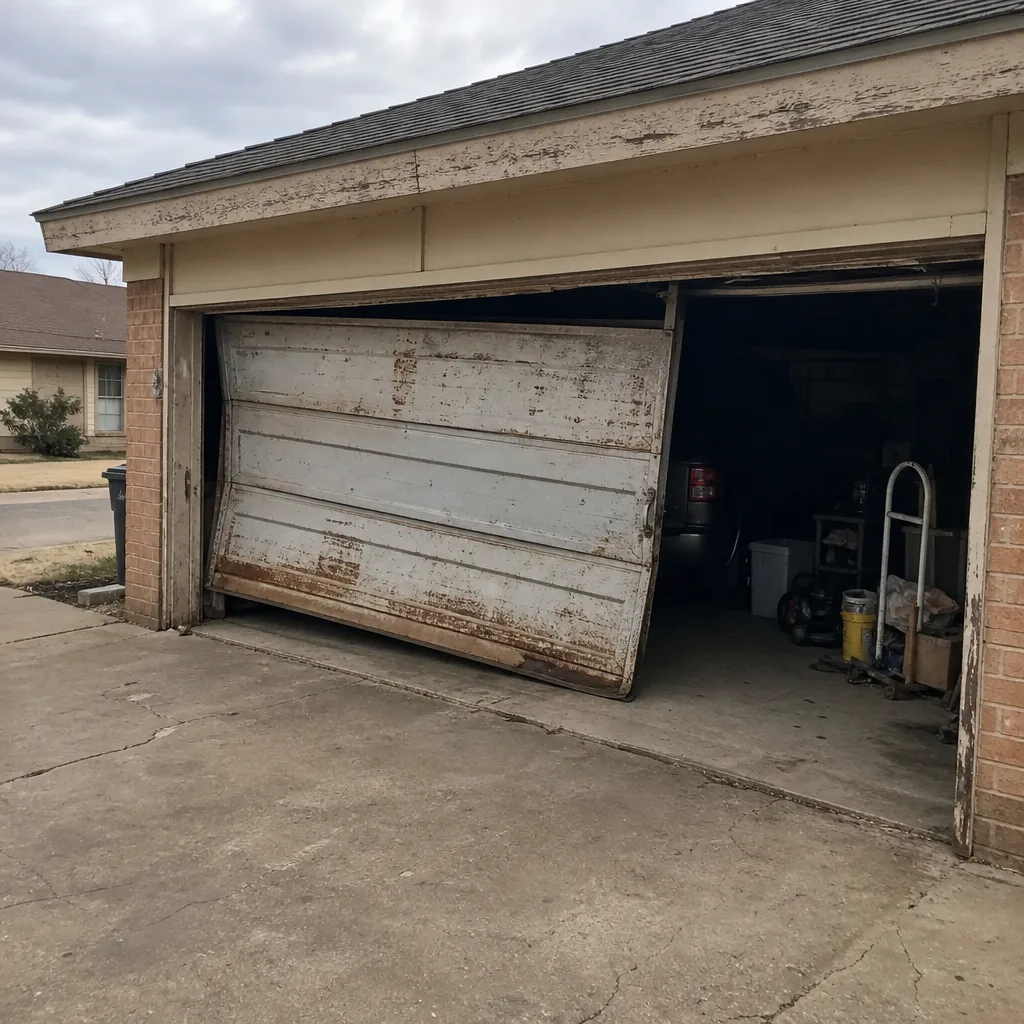 Before
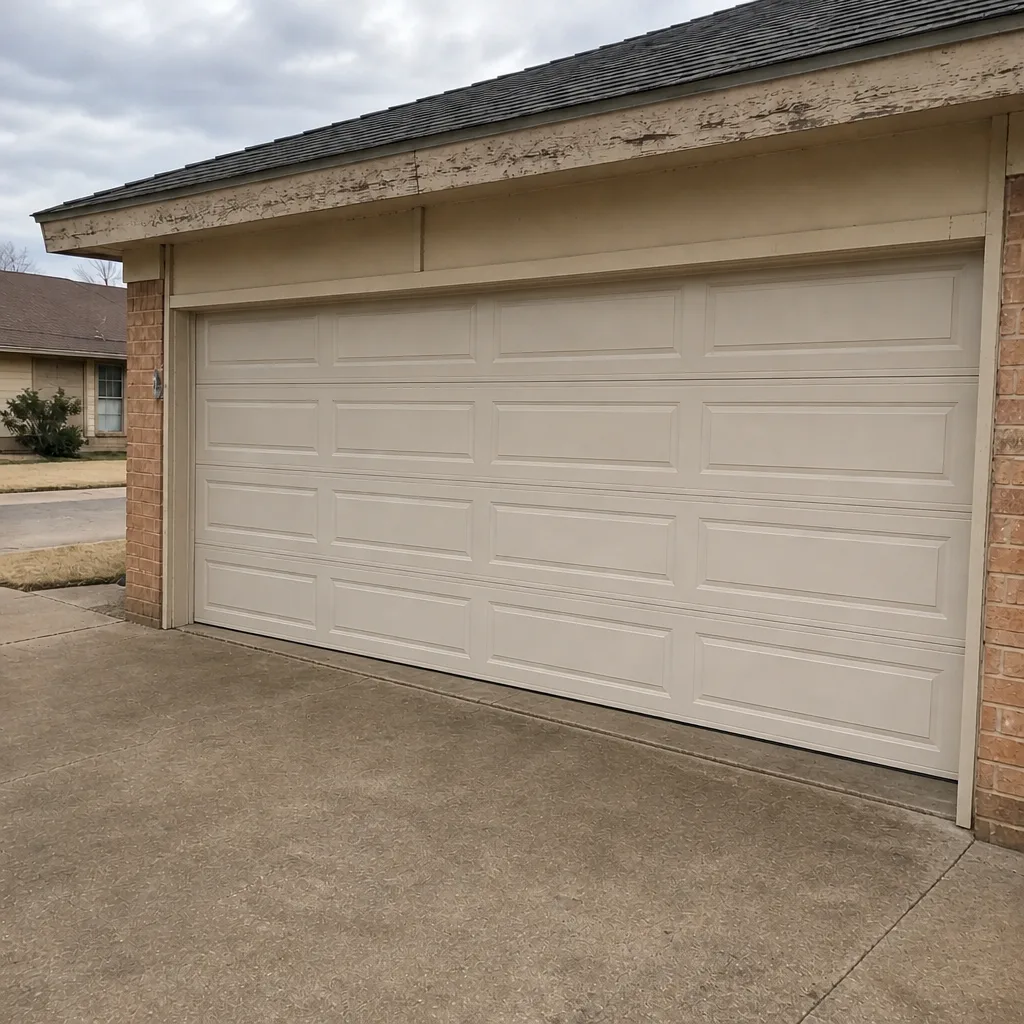 After
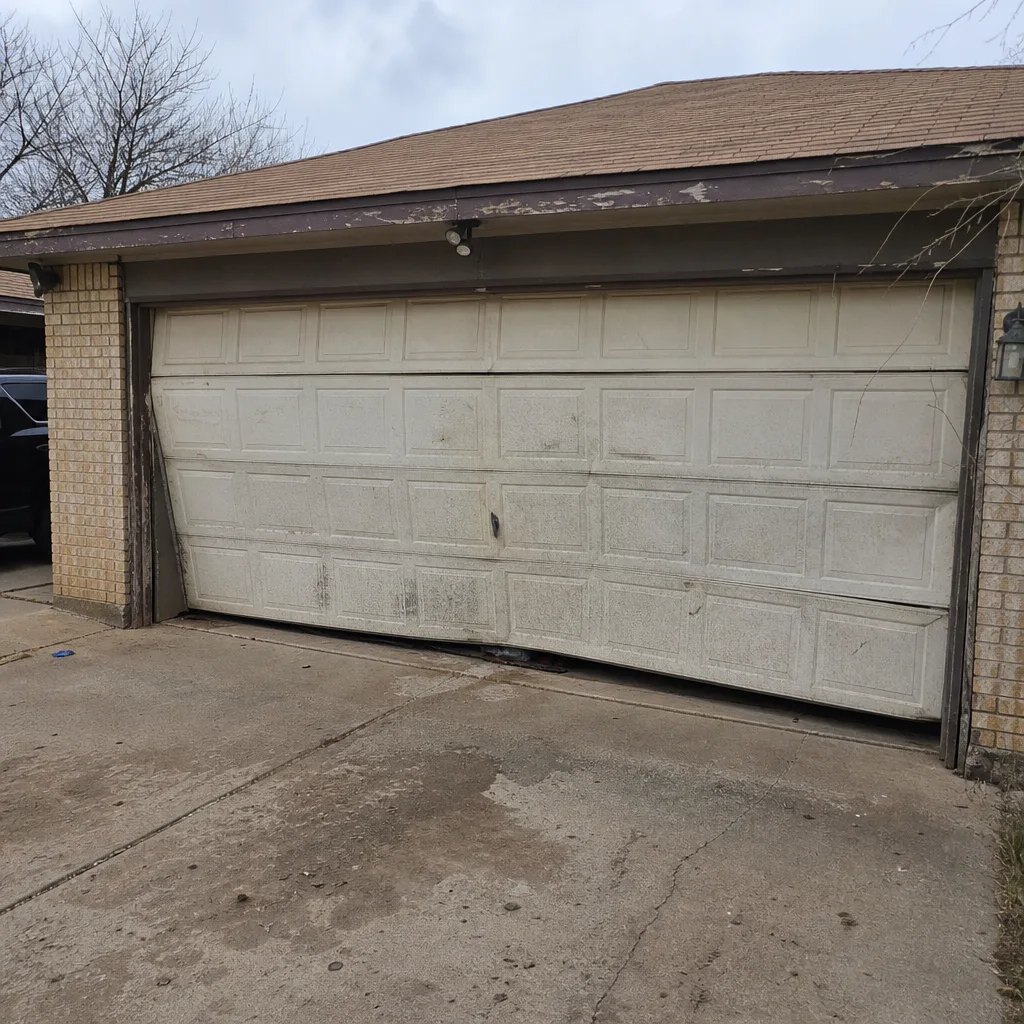 Before
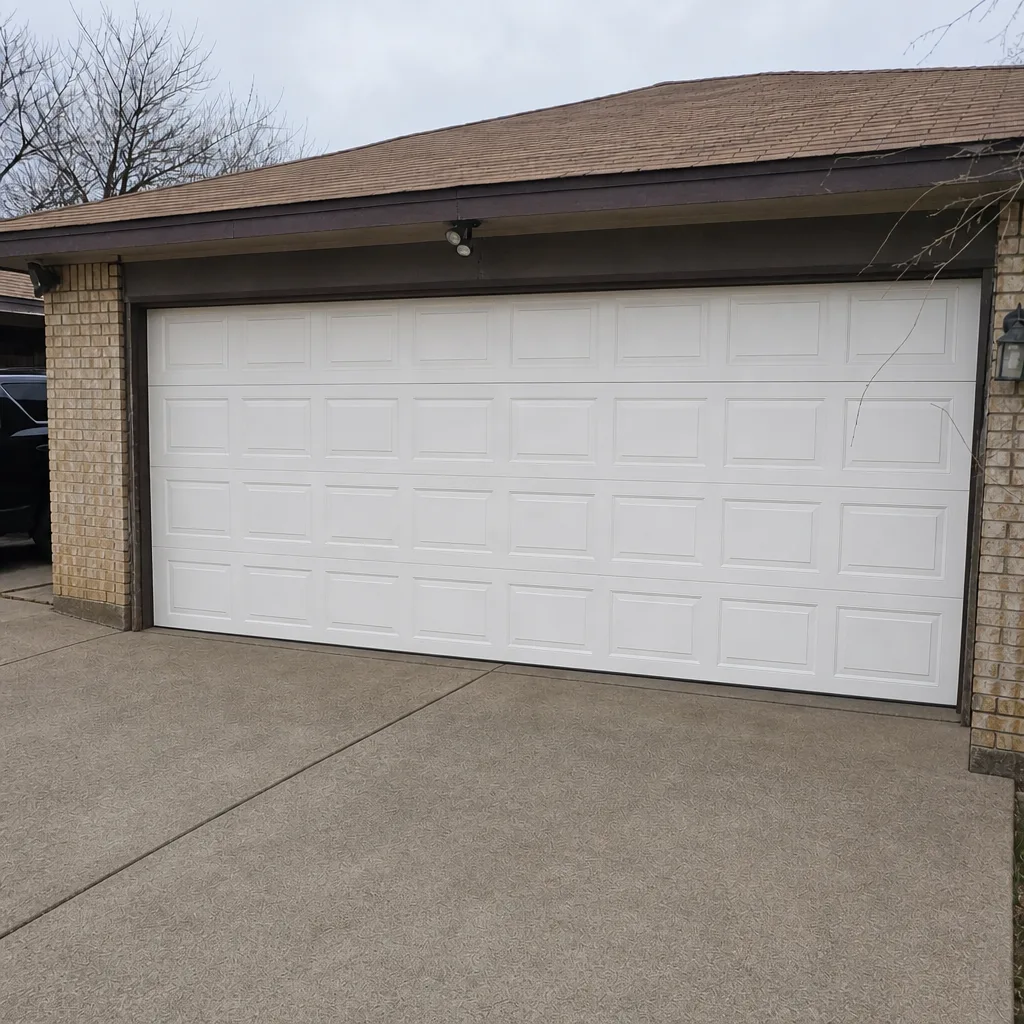 After
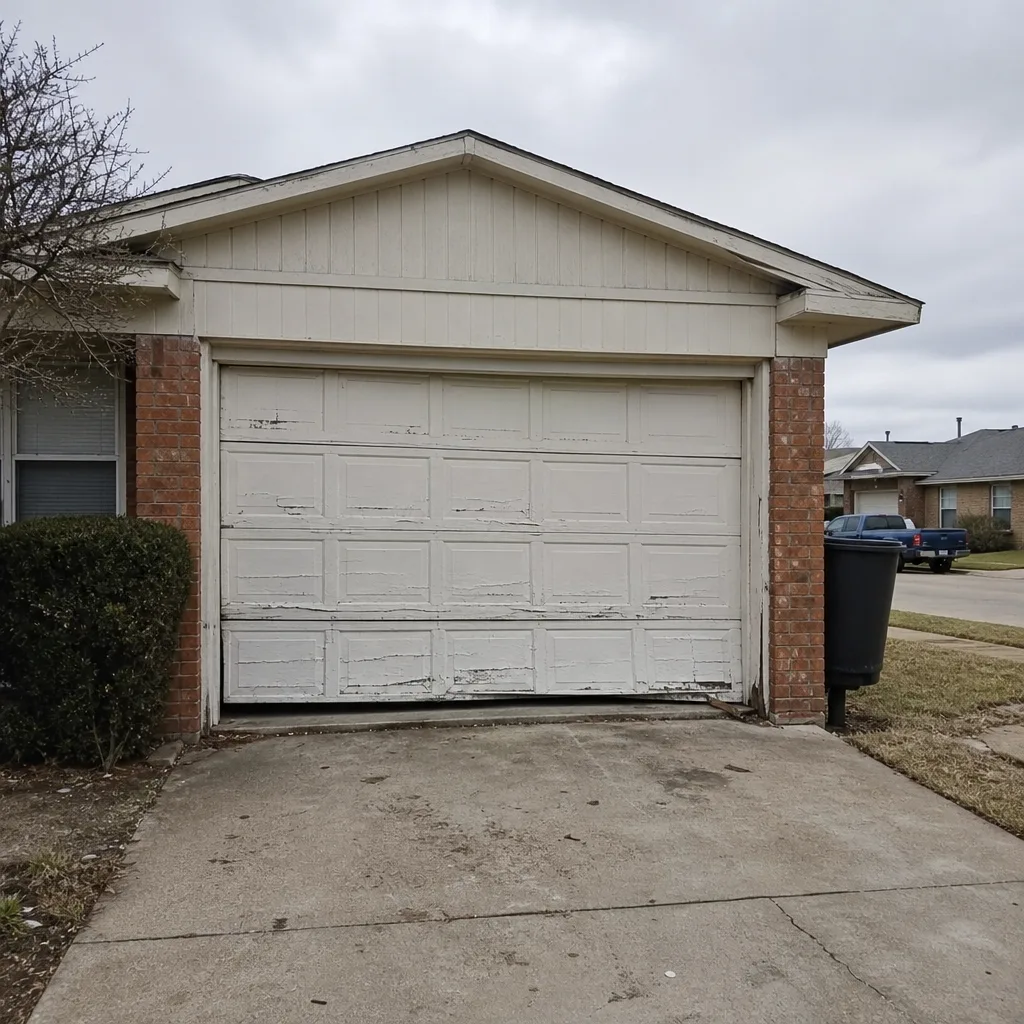 Before
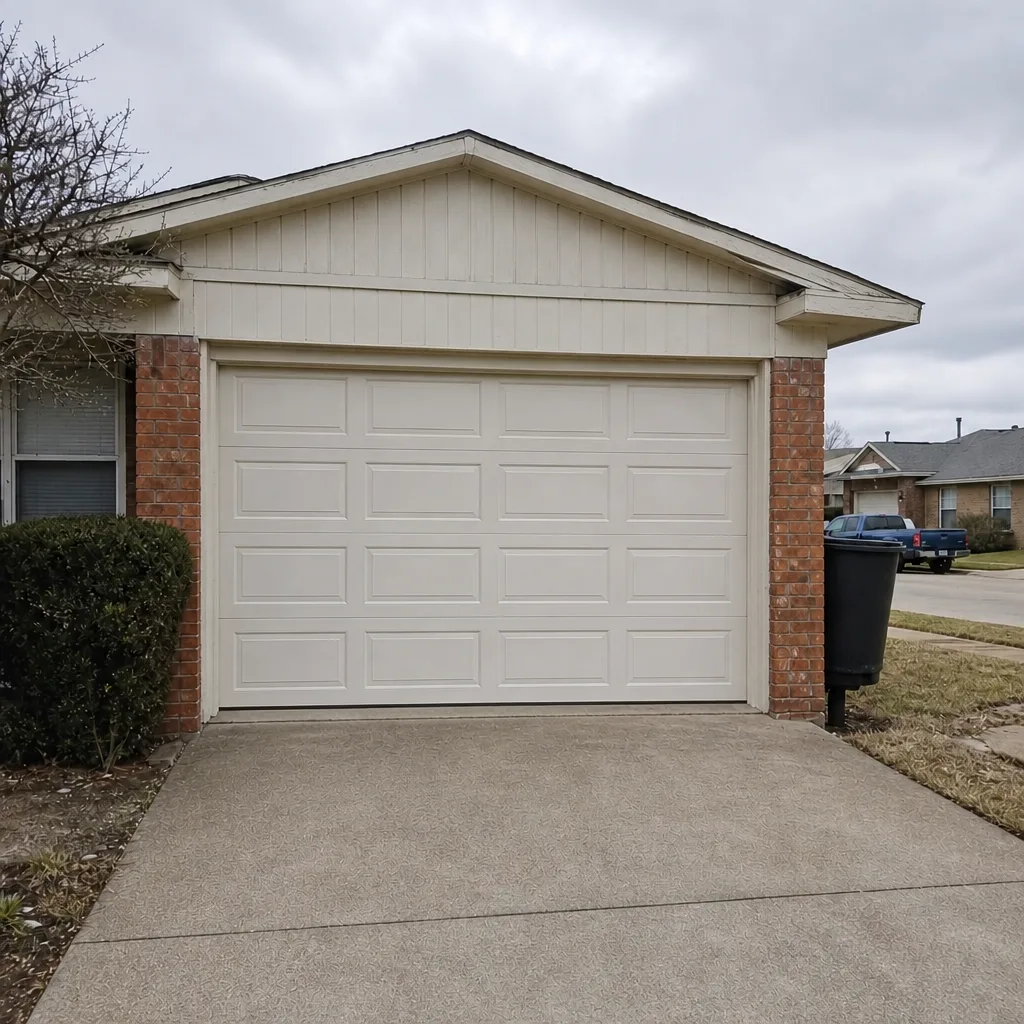 After
When to Call a Professional
Call a professional when the job involves a torsion spring, extension spring, cable, drum, or any track realignment where the door’s weight is involved. Call when the door won’t close, when a spring has snapped, or when you’ve started a repair and stopped because it felt unsafe. Call when your opener brand is one you’re not confident troubleshooting, or when a simple fix hasn’t worked after one honest attempt.
Odessa Garage Door Service offers free estimates in Odessa, and we’re a garage door specialist, not a generalist handyman shop. From opener glitch to full replacement, we handle the entire job, and we’re not limited to one manufacturer’s product line. We work on your brand, whether that’s LiftMaster, Chamberlain, Genie, Clopay, Amarr, Wayne Dalton, Craftsman, or Raynor. Call (844) 765-2569 for a free estimate.
Frequently Asked Questions
No. Torsion springs are under extreme tension and require specialized winding bars and proper technique. Releasing that tension incorrectly can cause severe injury. This is the one repair where the risk is genuinely high enough to rule out DIY regardless of confidence level. Call (844) 765-2569 for a free estimate and leave the spring to a technician.
Replacing bottom weatherstripping, lubricating rollers and hinges, tightening loose hardware, cleaning tracks, realigning photo-eye sensors, and replacing remote batteries are all safe for most homeowners. These don’t involve stored spring tension and the parts are easy to source locally. Anything involving springs, cables, drums, or major track work should go to a professional.
Watch for a door that feels unusually heavy when you lift it manually, a door that reverses on its own, visible gaps in the spring, or a loud bang from the garage. If you notice any of these, stop operating the door and call a professional. A failing spring is a safety issue, not just an inconvenience. Call (844) 765-2569 for a free estimate.
For the safe DIY tasks, yes. Weatherstripping, lubrication, and sensor adjustments cost very little and are genuinely low-risk. For anything involving springs, cables, or tracks, the math usually flips: a botched repair often costs more to fix than the original repair would have. A free estimate tells you exactly what the right fix costs.
Weatherstripping, lubricants, rollers, hinges, remote batteries, and basic opener accessories are widely available at local hardware and home improvement stores. Torsion springs, cables, drums, and brand-specific opener parts are harder to find locally and often require a trade account or specialist knowledge to source correctly.
Yes. We work on eight of the most widely installed garage door and opener brands, including LiftMaster, Chamberlain, Genie, Clopay, Amarr, Wayne Dalton, Craftsman, and Raynor. From older Craftsmans to modern smart openers, the brand doesn’t limit what we can diagnose or repair in Odessa.
The Bottom Line
The DIY vs. professional question isn’t about whether you’re handy. It’s about which tasks carry real risk and which don’t. Weatherstripping, lubrication, sensor realignment, and basic hardware tightening are safe and worth doing yourself. Torsion springs, cables, drums, and full-door replacement are not DIY jobs, no matter how many videos you’ve watched. The physics of stored tension doesn’t care about confidence.
Use the pre-inspection walkthrough in this guide to gather useful information before you call. It makes the visit faster and helps you get the right fix the first time. When a repair involves the counterbalance system, call a specialist who works on your brand.
For a free estimate in Odessa, call Odessa Garage Door Service at (844) 765-2569. We answer 24/7. Fast dispatch from 7am to 7pm, Sunday through Friday.
Written by the team at Odessa Garage Door Service.